
Poems to overcome a breakup: verses to accept, heal and return to yourself
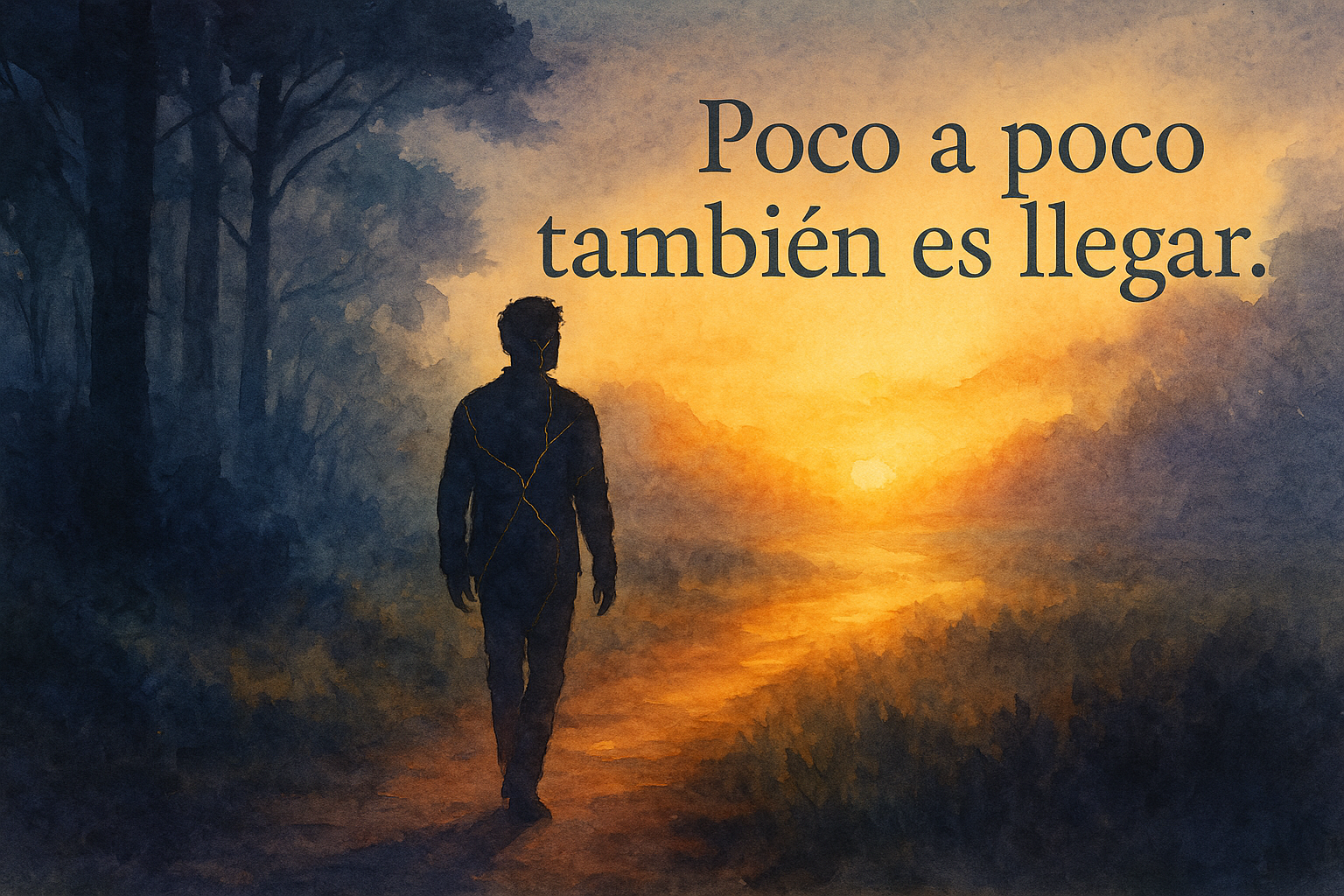
When love ends, the first thing to break isn't the heart; it's the rhythm . Eating, sleeping, walking… everything falls apart. A poem helps us retrace our steps: order our breathing, name what hurts without destroying it, and respectfully cherish what did bring us joy. I am Steve the Poet . In public readings and small venues, I learned that healing isn't about "being strong," it's about being honest : acknowledging the crack and illuminating it, without shame, until it ceases to control us.
If you're experiencing the initial shock of a breakup, this first section brings together poems of serene farewell . They offer closure without blame or grandiloquence, setting the stage for grief to take root. If your story is more akin to a love that never was, you might find it helpful to read Poems to Forget an Impossible Love afterward . And if you simply want to explore the collection, you can always return to Poems of Heartbreak and Healing.
When it hurts: farewell poems without guilt
Before the verses, a brief guide. If you're going to read aloud: take a breath every three or four lines, don't explain the poem at the end, and allow for a gentle silence. It's normal for your voice to tremble. The trembling isn't a mistake: it's real.
1) Last kind day
I'm not going to argue with the calendar:
Today ends what sometimes seemed endless.
I'll put a glass of water in your name
so that it comes off without scraping.
I fold the photos carefully,
I keep them in a box that doesn't open by itself.
I take three breaths.
I'm not taking you with me;
I'll take what I've learned with me.
like someone who keeps a key
who no longer opens his house
but it teaches close well.
Steve the Poet: Sometimes healing begins when we baptize goodbye with a simple gesture: a glass of water, a box, a full breath.
2) What we do owe ourselves
We don't owe each other eternities:
We owe each other honesty.
The yes when it was a yes,
He said no when he arrived late.
We owe each other a thank you without debt,
a goodbye without theater
and the permission to pronounce again
our full names
without the habit of asking for forgiveness.
3) The chair and the window
I'll leave your side of the table alone,
without altar or judgment.
There will be days of silence and others with radio broadcasts.
But the window will know what to do with the morning.
If you ever pass by my street,
You will recognize my lit lamp:
It's not to call you,
It's to remind me
that even the night
It has a place in the house that I become again.
4) Inventory without reproaches
Story: an expectation,
four misunderstandings,
two beautiful Sundays
and this habit of not speaking up in time.
I'll take Sundays.
I learn from the other.
I will not cancel my story:
I'll put her to work for me.
5) Harvest season
All love leaves traces:
a favorite mug,
the short path to the market,
a joke that still works.
I reap what is useful,
I compose what hurts,
And I accept that there were plants
that They were not meant for this land.
It wasn't a loss: it was a learning experience.
Steve the Poet: When I mention "harvest," the audience breathes a sigh of relief. Transforming "failure" into learning puts us back in control.
6) Fever
The name burns me up inside.
where the skin used to be.
The body, wise, sets fire to what hurts
so that it doesn't grow falsely again.
It hurts, yes.
But under the fever
breathe a truth:
I am bigger than the fire.
7) Goodbye without heroism
I won't make an epic out of this.
I'll make some soup,
I will wash the cup,
I will reply to two messages.
and I will walk for twenty minutes
without checking you.
Sometimes, survive well
It is the highest form of poetry.
8) After closing
I will not return to the scene to correct dialogues.
What we didn't say was also an answer.
My task now is different:
learn to pronounce my name
without the echo of yours,
put a new plant in my room,
to take care of her the way I would have liked
that we should take care of ourselves.
If you recognize yourself in the pain of unrequited love, when you finish this section, take a look at Poems for Letting Go of Unrequited Love . If you need a more intense tone, we'll then work on Sad Farewell Poems.
9) Manual of cordiality for saying goodbye
If I come across your shadow,
I'll make room for him to pass.
I won't push memories into traffic,
I won't put up signs on your route.
I'll keep what's mine:
the patience I learned late,
laughter that sometimes saved us,
and this certainty:
The love was real.
even though the end didn't reach us.
Naming the void: poems to process anger and guilt
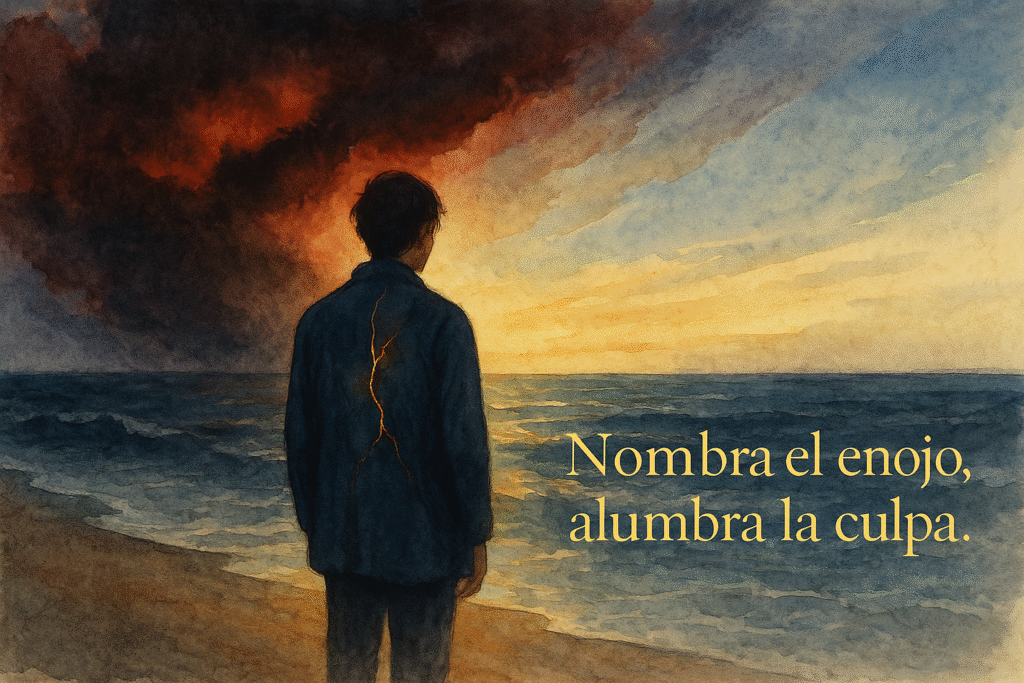
Sometimes the heartbreak stands tall and speaks with two voices: anger (“Why me?”) and guilt (“I should have done it differently”). Neither tells the whole truth, but both need to be named to lose their power. These poems don't seek to fan the flames, but to shape them so you can blow on them without getting burned.
Steve the Poet: On stage I learned that rage demands rhythm and guilt demands light . Read these texts marking the beat (rage) or opening the final image (guilt). And remember: feeling is not failing; feeling is being alive.
1) Ashtray
I'm not going to smoke this anger out until I burn out.
I leave it in the ashtray, with name and date.
I look at the embers without touching them.
until he understands that he is not in charge.
When it stops burning, I throw it in the trash
and I wash my hands with new soap.
Not to be forgotten:
so I wouldn't smell like what was burning me.
2) Useful Rage Manual
Knock on the door of the poem, not the door of your house.
Tear the sheet, not your voice.
Run for ten minutes,
He shouts on an empty bridge (towards the river, not towards the people).
Then go back and write:
This hurt me, this is what I learned.
I won't allow this anymore.
Let rage defend you,
don't let him direct you.
3) What was unfair
I'm not going to sugarcoat what hurt:
the untimely promise,
the word that took my chair,
the plan that left me waiting.
I say it clearly, without shouting.
And when I finish, I close the notebook:
not to deny,
to stop living there.
If you need emotional muscle to sustain this boundary, take a breather in Poems of Inner Strength and Resilience.
4) Archaeology
Beneath the guilt I find fear,
under the fear of an ancient custom,
under the custom a phrase that was not mine.
I carefully remove it,
like someone taking a stone out of their shoe.
Lighter path.
It wasn't magic: it was look.
5) What I won't fix today
I'm not going to fix you in my head,
nor to convince the past
that he behaves better.
Today I fix my pillow,
my breakfast,
my way of talking to myself.
We'll see the rest tomorrow.
And if not, it's the past.
6) Guilt with light
I forgive myself for having tried
when it was no longer appropriate;
I forgive myself for not knowing sooner.
I forgive myself for staying
and for leaving late.
The light does not absolve me:
She accompanies me to look
without looking down.
7) Traffic light
Red: Don't go back to the thread where you get hurt.
Yellow: Breathe, count to twelve, drink water.
Green: Write yourself a kind line
and walks for twenty minutes without the phone.
If you go off course,
Don't punish yourself:
Go back to the crossroads and start again.
For particularly gray days, keep yourself company with Poems to cheer you up in difficult times.
8) It wasn't because of me (complete)
I repeat it until I believe it:
not everything that hurt
It was because of me.
Some stories are born tired,
wounds that came from before,
clumsiness that I didn't know how to name.
I'm learning.
And as you learn,
I stop asking my mirror
He should pay for what he didn't break.
3-minute micro-rituals (to sustain you through the week)
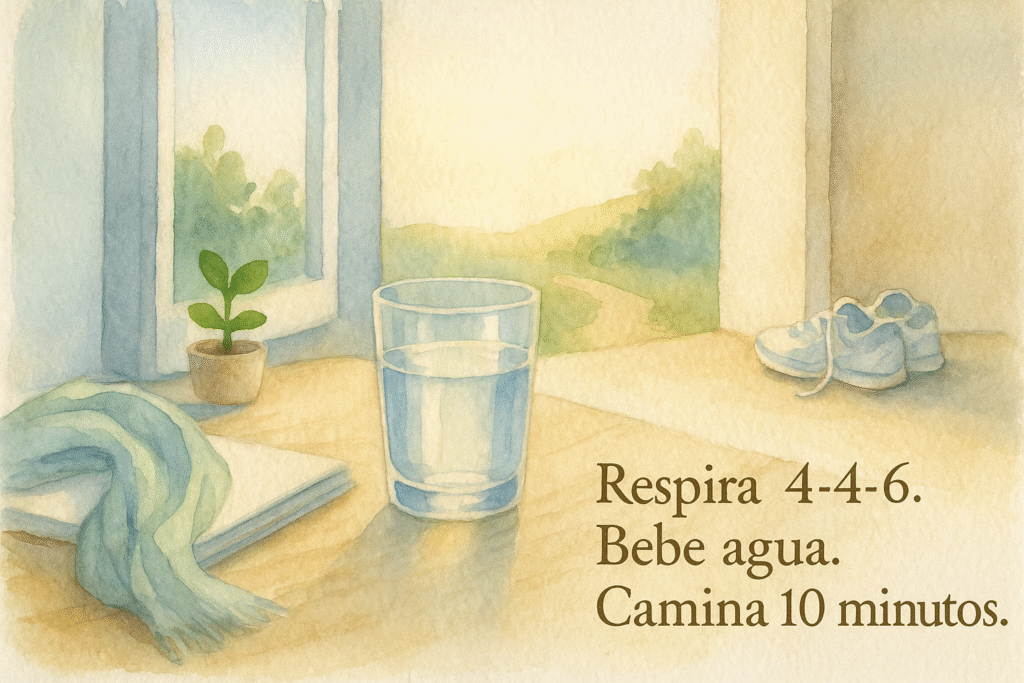
- Breathing 4-4-6. Inhale for 4, hold for 4, exhale for 6. Do this 4 times before reading/writing. The long exhalation reduces the intensity of anger.
- Glass and window. Fill a glass with water, open the window, and say it softly: “This hurt, I’m letting this go for today.” Drink. Close the window calmly.
- "Not Today" Notebook. Write three lines: what I feel, what I need, What I will do in the next 24 hoursSave the rest for tomorrow.
Steve the Poet: I've seen entire rooms breathe at the same time. Don't underestimate the simple: the body understands before the mind.
Letting go with respect: poems by forgiveness (to you and the other one)
Forgiveness isn't about absolving anyone or erasing the past. Forgiveness is about untying the knot so you can breathe. Sometimes it means going back; often, it means moving on without the other person. Here, forgiveness is divided into two actions: forgiving myself and forgiving you without going back . If you feel there's still a rite of passage to complete in your story, you'll find Poems for Closing Love Cycles helpful later on.
Steve the Poet: “I’ve seen that forgiveness begins with a tiny phrase: I didn’t know any better . From there, the air returns.”
A) Forgive me
1) Amnesty Act (personal)
I declare my clumsy steps innocent,
to my untimely attempts,
to the desires they didn't know how to ask for.
I sign with the hand that trembles today
And I'm putting it in writing:
I forgive myself for learning late
which I now know how to take care of.
2) Hopefully in time (for me)
I wish I had known then
This is what saves me today:
than being late to oneself
It's about getting there anyway.
I embrace myself without reproach,
like someone returning home
after losing the key three times.
3) Reconciliation
I'm not going to talk to myself like an enemy.
I put my name on the table,
I serve water, I listen.
I tell myself what hurts
Without sarcasm.
I tell myself: you are safe with me.
And I keep my word.
If you need to strengthen this inner strength, take a break in Poems of Inner Strength and Resilience.
B) Forgive you without returning
4) Partial amnesty
Forgiving is not opening the door:
It's about taking the weight off your chest.
I forgive you for what you were able to do then,
so we didn't know how to name it.
I'm not giving you back the keys:
I'm returning the luggage you left with me.
5) Pedestrian bridge
I'll gloss over what happened
like someone crossing a narrow bridge:
looking at the river, without staying in the middle.
My life awaits me on the other side.
I'll leave you in peace.
There is no resentment: there is healthy distance.
6) Without invoice
I won't charge you interest.
for what you left unpaid.
My accounting system is changing:
From today I'll tell you what yes It sustains me.
I file the rest without quick access.
If your story was one of unrequited love, then find solace in Poems to Let Go of Unrequited Love
C) Closing poem-ritual (reading in a low voice)
7) Lock
I put your name on the lock
and turn only once.
Not to kick you out,
so I could stay.
I leave the key in a drawer.
that doesn't open in a hurry.
I go out into the street with both my hands:
Today, too, we live without a manual.
Steve the Poet: “When someone reads this text in a low voice, they usually breathe differently in the last verse. That's where the closure happens.”
D) Micro-poems of forgiveness (for WhatsApp or notes)
- “I forgive myself for not knowing and for learning now.”
- “I forgive you and I let go; it’s not the same thing.”
- “Without debt, without resentment, with distance. "
- “Today I choose my full name.”
- “I close carefully, not loudly.”
- “Forgiveness is letting go: I breathe.”
- “I wish you well…” far from my wound. "
- “Peace be with you; place for me."
If your way of healing includes a spiritual dimension, you can find support in Poems of Faith and Hope.
Looking ahead: poems of hope for starting over
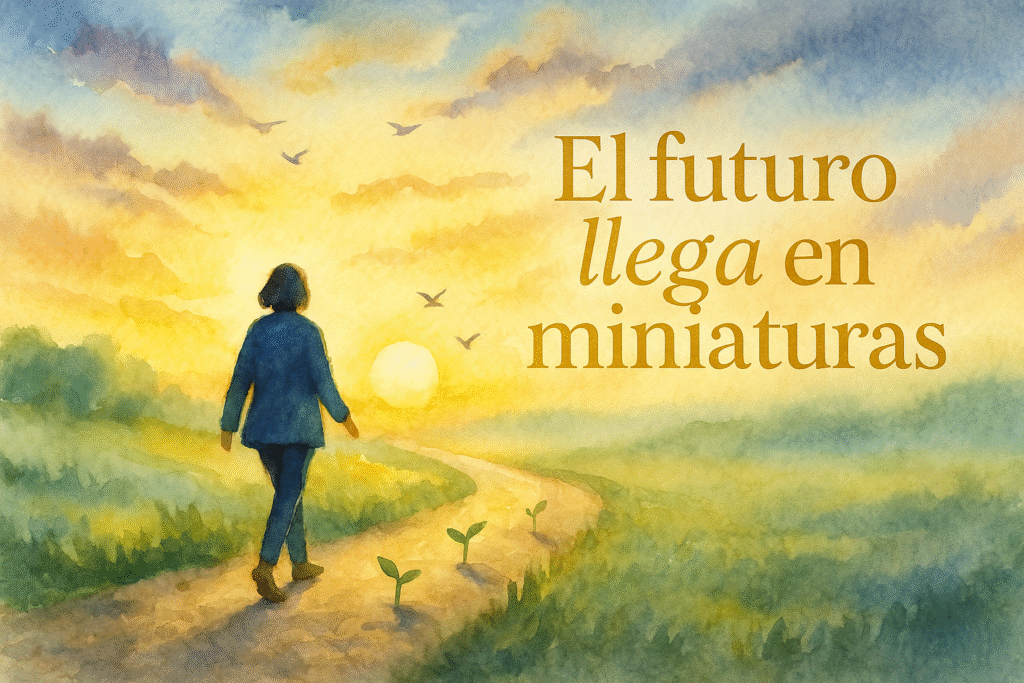
Before the verses, a simple idea: hope doesn't push, it accompanies . It doesn't demand spectacular leaps; it proposes small gestures that, repeated, pave the way. If today you can only manage two lines, that's fine. Tomorrow, perhaps, you'll be able to manage three.
Steve the Poet: In my experience, the future arrives in miniature : changing the sheets, making the bed, walking for ten minutes without your phone. Then, quietly, life sits down at your table again.
If you're looking for a brighter boost, you can cross over whenever you feel like it. Poems to start over with hope.
And if you need company on difficult days, rest for a while in Poems to offer encouragement in difficult times.
1) Domestic dawn
I'm not going to conquer the world today.
I'm going to make the bed slowly,
to choose a mug that loves me,
to open the window so that a language of birds can enter.
If sadness asks for me,
I'll tell him to come back later:
I'm taking care of the light.
Sometimes it's time to start over.
It's like washing a fruit
and bite it without haste.
2) Getting Started Manual
I'll make short lists:
water, bread, air.
I will make short promises:
go out in the sun for ten minutes,
read a page that takes care of me.
I'll make room in the closet
for that version of me that arrives without haste.
And when someone asks if it's all over,
I will respond with a smile that's still being built:
I'm going through.
3) The fourth one breathes again
I put a plant where there used to be a portrait.
Not to erase,
to water what follows.
The plant looks at me without judgment;
I give back to him a patience he didn't know he had.
We understand each other:
She grows upwards,
I looked inwards.
4) New route
Today I will walk down a street where I never thought of you.
I will learn the names of trees,
posts that knew nothing about us.
If my memory catches up with me from behind,
I'll invite her to walk with me.
until it gets tired of hurting.
When I get back, I'll have a map with places.
that belong to me.
5) Today I name myself
Today I won't be "the ex of,"
I will be My full name.
I will speak to myself as one speaks to someone returning weary:
with a glass of water,
with a clean towel,
with a “it’s so good you’re back”.
That's all you need to get started
that this permit.
6) Cartography of joy
I'm not looking for fireworks;
I'm looking for good matches.
A song that will straighten my back,
a book to tide me over this afternoon,
a conversation that doesn't require masks.
I draw with a pencil the city that makes me feel good:
two bookstores, a bench in the sun,
a café where the world turns down the volume.
I'll meet you there.
And I arrive.
Steve the Poet: In readings, people tell me they feel like themselves again when they find their bench in the sun. Don't underestimate your inner geography.
7) Seeds in the pocket
I saved three:
gratitude girl,
guilt-free rest,
and the curiosity of someone seeing it for the first time.
I'll put them on my agenda.
I don't want a jungle:
I want a habitable garden.
8) The table is set again
It's not a banquet, it's bread.
It's not orchestral music, it's quiet radio.
It's not a party, it's property.
I invite my future self to sit down
without asking for credentials.
I'll serve you what I have:
Calm down, soup, a new notebook.
We looked at each other with respect.
And we make a deal:
I'll take care of it,
You set the time.
Impulse Micro-Poems (for states and notes)
- “Today I choose myself in turns; that’s enough.”
- “My full name fits in this morning.”
- “I don’t run: I walk with light.”
- “Seed, not miracle: that’s how I bloom.”
- “Little by little is also getting there.”
- “I speak to myself as if I were someone I want to stay.”
- “Hope doesn’t shout: it sets the rhythm.”
- “I make room for what truly sustains me.”
- “I am returning to myself without pushing myself.”
- “The future brings bread; I set the table.”
- “I breathe and the day responds to me.”
- “Not everything is resolved, but yo I'm here."
When this clarity takes hold and you want to continue strengthening your inner strength, let yourself be helped by Poems of Inner Strength and Resilience . And if any wound requires a more ritualistic closure, make a note for later Poems to Close Love Cycles.
Frequently asked questions (FAQ)
They provide language and rhythm: naming the pain organizes the emotion and reduces rumination. Use them as guided breathing (read slowly and close with an image).
Very short texts (4–10 lines) with a gentle ending; avoid reproaches and oaths. Repeat 2–3 times and rest.
Distinguish between forgiving yourself (taking care of yourself) and forgiving the other person (relieving the burden). Forgiveness can coexist with healthy distance.
Use 1-3 line mantras (“Little by little is also arriving”). They work as daily anchors.
When desire sounds like curiosity , not escape: you sleep better, you plan a week without looking at their social media, and your name sounds familiar again.
24-hour rule + 4-4-6 breathing + 10-minute walk without your phone. Write in your notebook "Not today": what I feel / what I need / what I will do in 24 hours.
Yes, if you read it in blocks of meaning and with pauses. Outdoors in noisy environments, medium-length texts are preferable.
Closing
You are not the end of a story: you are the corner where another begins. May these verses have given you a small lamp and a glass of water.
I — Steve the Poet — believe in homecomings: in speaking your full name without asking permission and in setting the table for the life that returns.
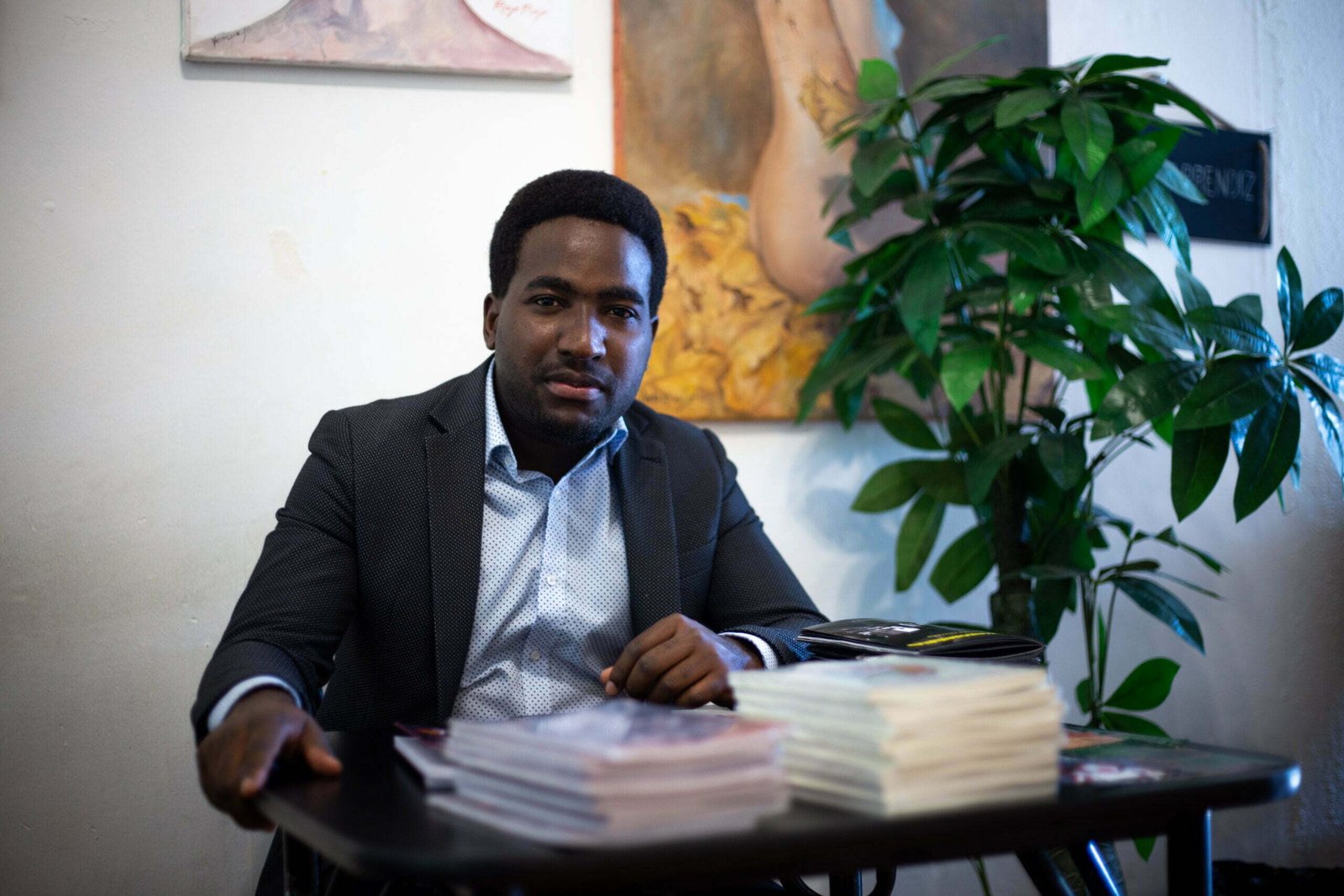
I am Stevenson Jacques, originally from Haiti, a professional electrician , theater actor, novelist, poet, writer, art lover, known as "Steve the Poet".
In 2008 I began to work more in the world of art, writing and theater; I was part of several theater companies.
Since 2014 I have been a member of “Tanbou Literè”; a group of dynamic young people who love art and literature.
I published in the anthology "Champurria" in 2018, and in the literary magazine "Desvanecimiento" in 2022. I have participated in several writing workshops and literary courses.
I am a member of a very dynamic and committed group of Haitian writers of my generation, “REK”; They are activist writers in defense and appreciation of the Haitian Kreyòl language.
After many years of publishing sporadically, I decided to publish my first bilingual poetry collection, "flor de tumba – Flè kav," along with its accompanying audiobook, in January 2023. In the same year, 2023, I published a novel in Creole, "Depi nan benbo," which I had been working on for over six years.