
The written word as the memory of humanity – Poets and Writers
Ever since humankind learned to leave its mark on stone and paper, literature has become humanity's memory. Poets and writers, with their unique voices, have been able to capture the pulse of each era: they narrated wars and impossible loves, imagined fantastical worlds, and portrayed the most intimate passions of the soul.
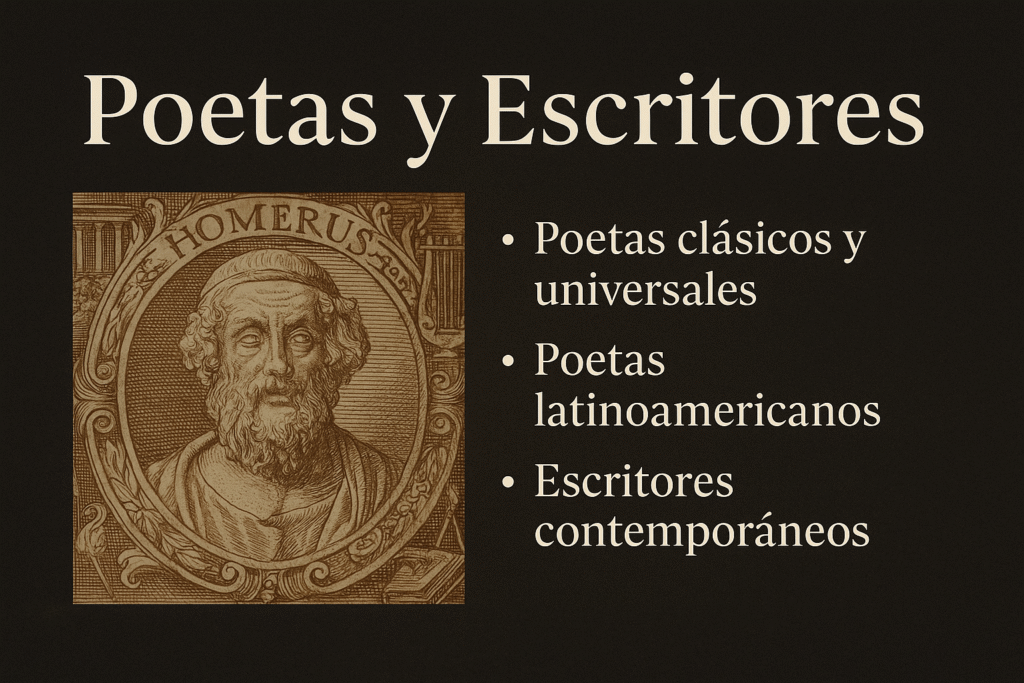
In them we find more than just words: we find witnesses of time, guardians of memory, and visionaries capable of opening paths to the unknown. Reading an author is not just about knowing their work; it's about entering a universe that reveals who we are and where we are going.
Today, in the 21st century, talking about poets and writers is not simply an academic exercise. It is acknowledging that words are still alive, that they reinvent themselves with each new voice, and that the legacy of Homer, Cervantes, or Neruda engages in dialogue with the emerging voices of our time.
Classical and universal poets
The history of literature cannot be told without the poets who, since antiquity, have put into words human dreams, fears, and passions. They were the first to offer us a mirror in which humanity learned to recognize itself.
From Homer and Virgil to the origins of Western poetry
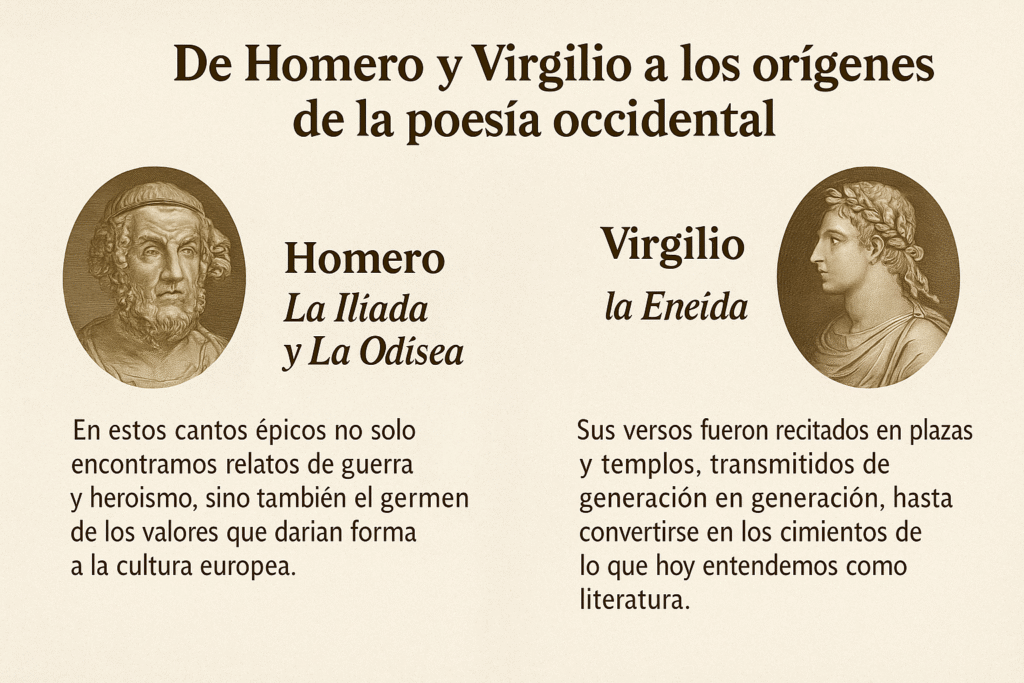
Western tradition has its roots in two immortal names: Homer , with the Iliad and the Odyssey , and Virgil , with the Aeneid . In these epic poems, we find not only tales of war and heroism, but also the seeds of the values that would shape European culture.
His verses were recited in plazas and temples, passed down from generation to generation, becoming the foundation of what we understand today as literature. There is no modern writer who, consciously or unconsciously, does not engage with them.
See more in Classical and Universal Poets.
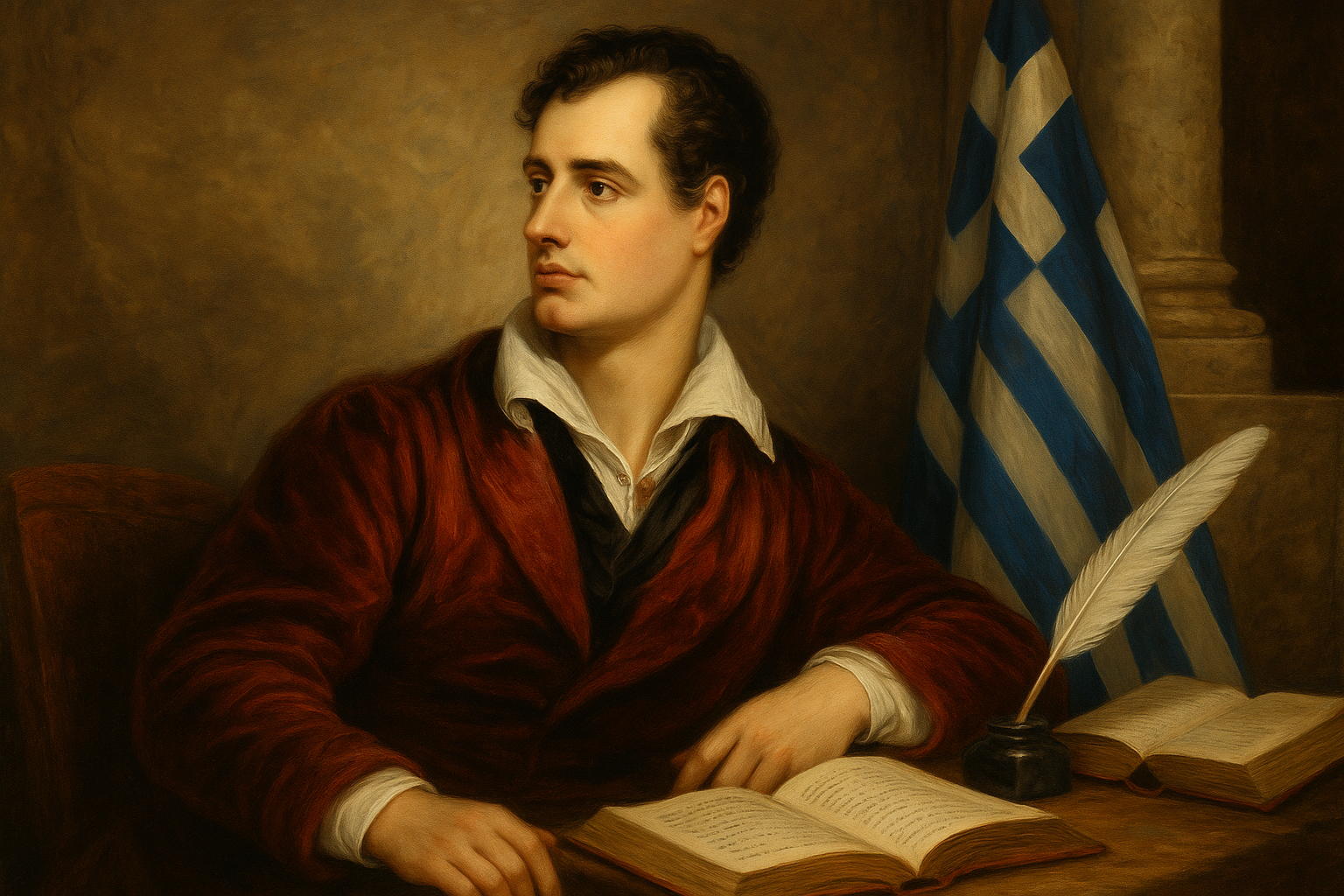
Lord Byron: the poet of English Romanticism

Virgil and the Aeneid: the poet who laid the foundations of Latin literature
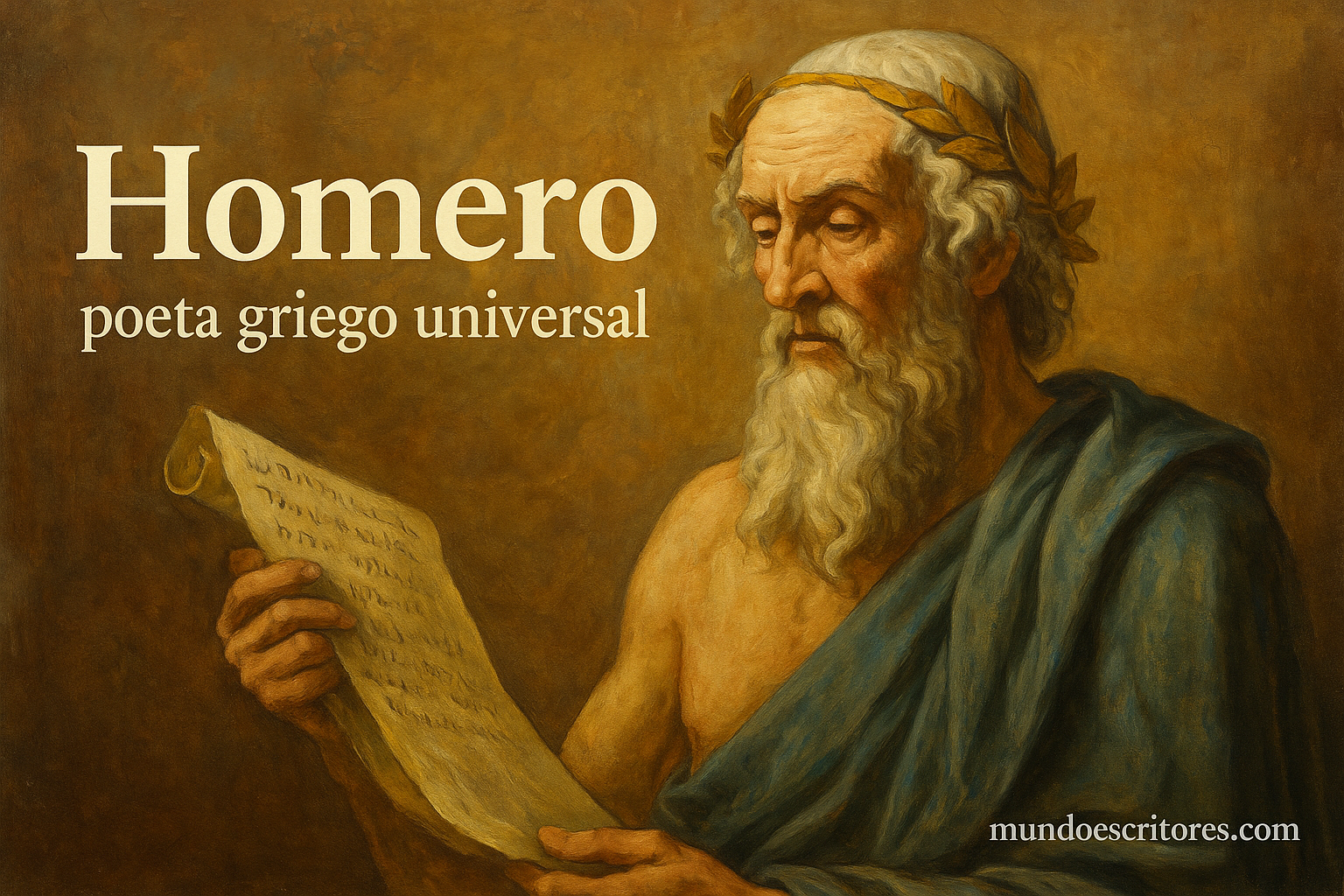
Homer: Life and legacy of the universal Greek poet
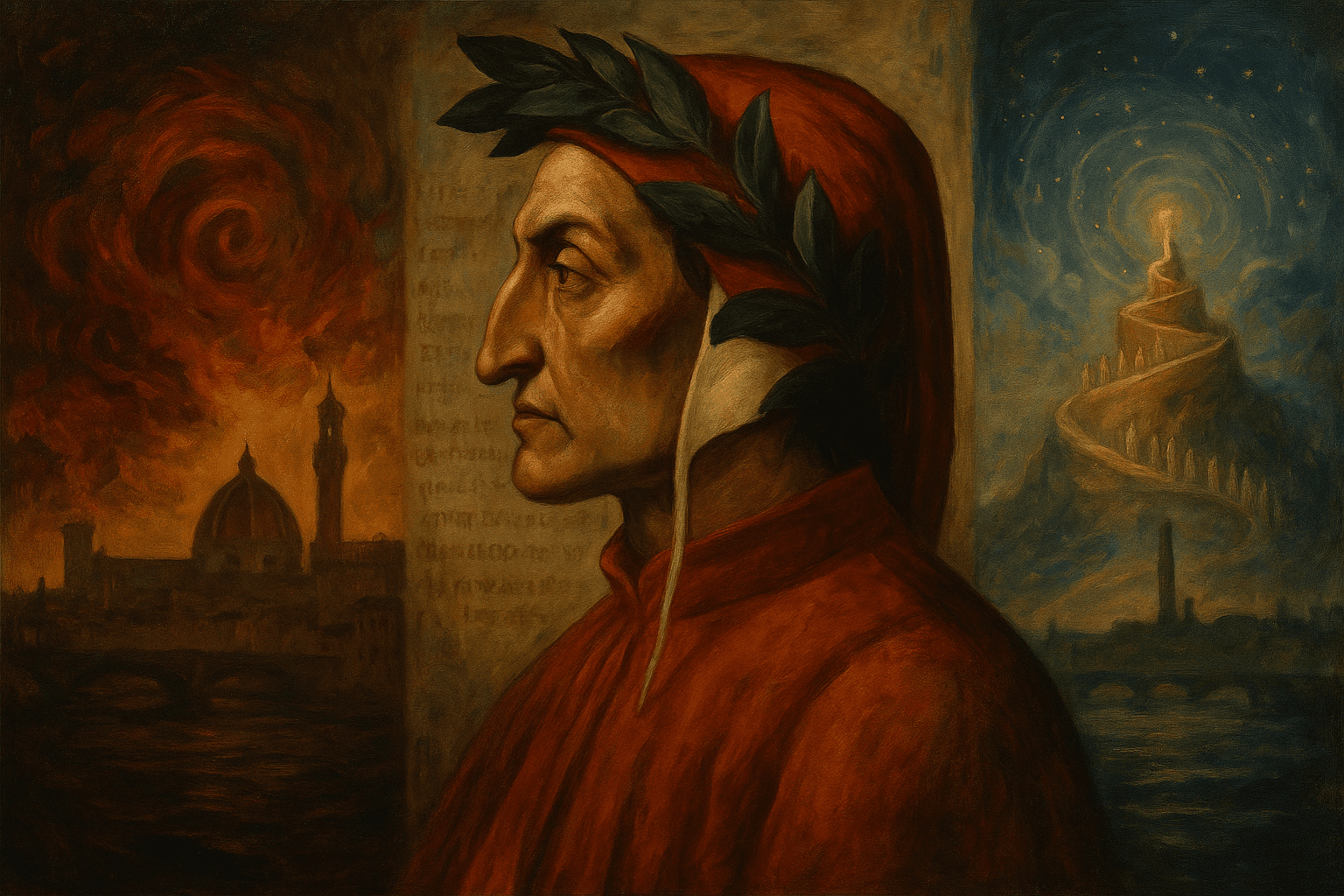
Dante Alighieri: Biography and Analysis of the Divine Comedy
Medieval European poets
In the Middle Ages, poetry flourished in diverse forms: the Provençal troubadours sang of courtly love, while in Italy the figure of Dante Alighieri emerged , whose Divine Comedy still stands as one of the masterpieces of humanity.
Dante's poem not only narrates a journey through Hell, Purgatory and Paradise, but also traces the spiritual cartography of a man seeking meaning in a world marked by faith and politics.
Alongside him, authors such as Geoffrey Chaucer in England or the Spanish mystic poets laid the foundations of a literature that, over the centuries, would spread throughout Europe.
See more in Medieval Literature.
Authors of the Spanish Golden Age
The Golden Age (16th and 17th centuries) was one of the pinnacles of world literature. In Spain, names like Garcilaso de la Vega , Luis de Góngora , and Francisco de Quevedo defined styles that were as opposite as they were complementary: Renaissance idealism, Baroque culteranismo, and the wit of conceptismo.
Alongside them, Lope de Vega took theater to new heights, while Miguel de Cervantes , with Don Quixote , gave birth to the modern novel. This period demonstrates how the written word can be both a reflection of its time and an inexhaustible source of inspiration for future centuries.
See more in Authors of the Spanish Golden Age.
Poets of Romanticism and Modernism
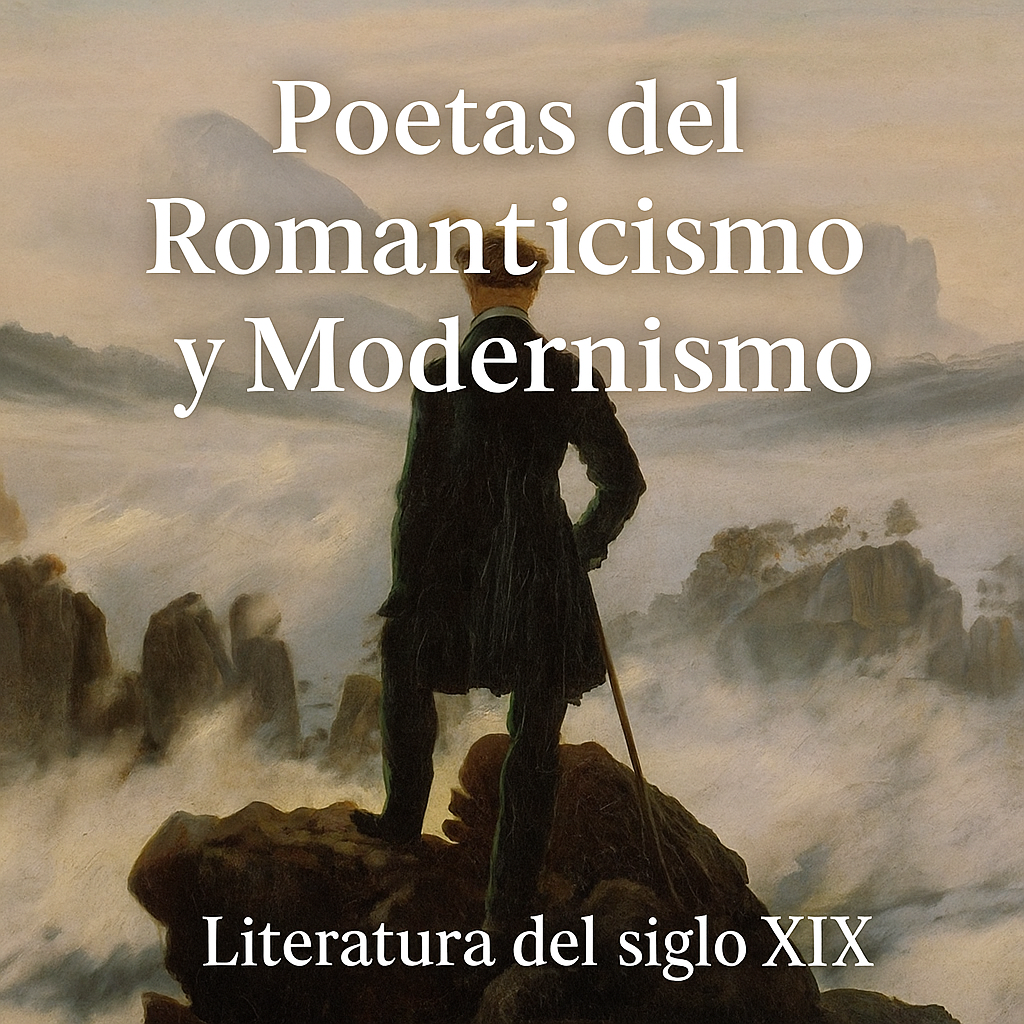
The 19th century brought with it the exaltation of the self and nature through Romanticism . In Spain, Gustavo Adolfo Bécquer left in his Rimas a sensitivity that still moves us with its intimacy and simplicity. In England, Lord Byron and John Keats personified the figure of the poet as a tragic, passionate, and nonconformist hero.
Later, in Latin America, Modernism , spearheaded by Rubén Darío, marked a definitive break with the previous tradition. With a musical, symbolic, and cosmopolitan language, Darío paved the way for future generations of Latin American poets.
See more in 11th Century Literature and Modernism.
Latin American poets
Latin American literature has been characterized by a multifaceted voice: a chorus of cultures, languages, and sensibilities that engage with history, politics, and identity. Its poets not only wrote verses, but also built nations, imagined futures, and shaped the collective memory of an entire continent.

Alfonsina Storni: biography, works and legacy of the Argentine feminist poet
15 Greatest and Most Famous Chilean Poets; Prominent Poets, Nobel Prize Winners You Should Know
The 5 most important Chilean poets: who they are and why they marked literature
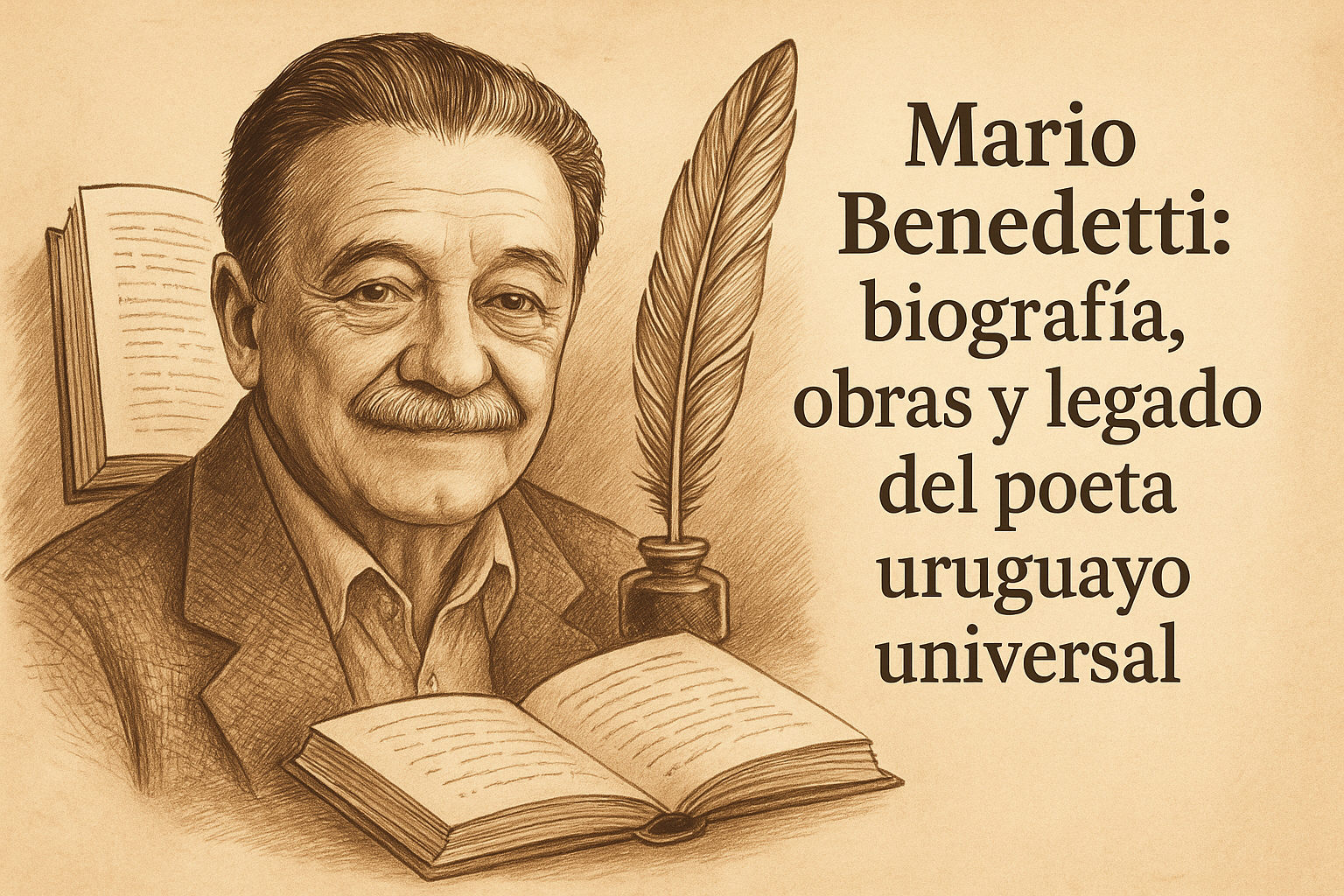
Mario Benedetti: biography, works and legacy of the universal Uruguayan poet
The 10 Greatest Argentine Poets of All Time According to AI
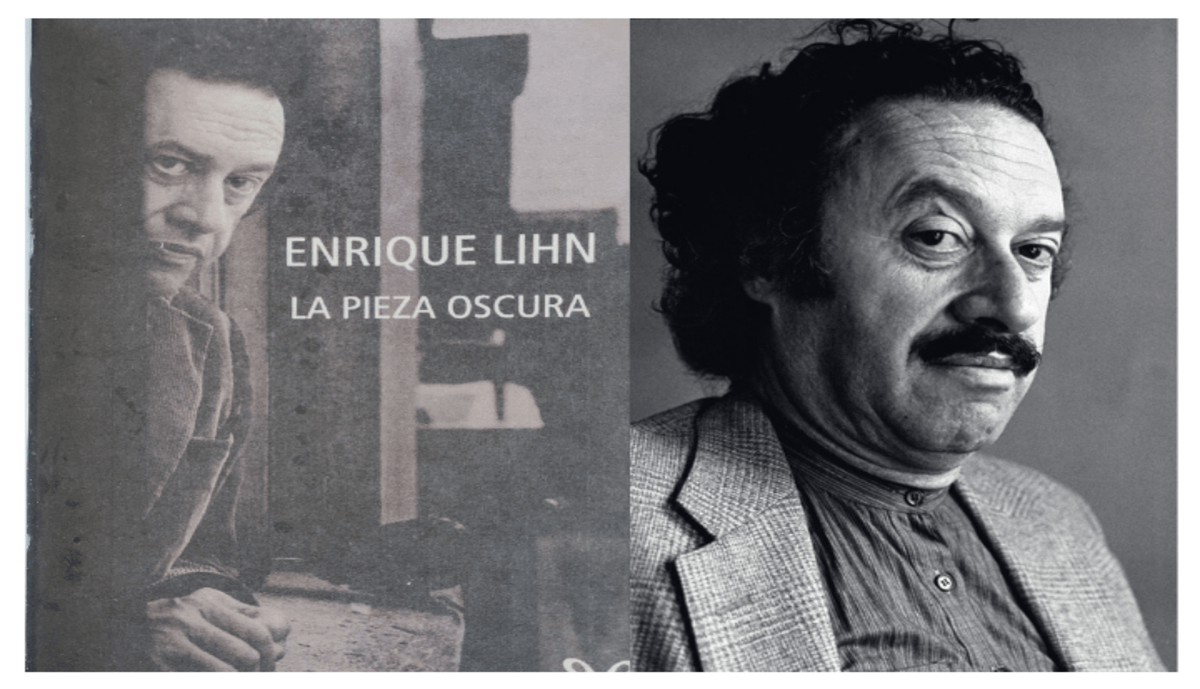
There are poets in Chile and Enrique Lihn is one of them | The Dark Room
Pablo Neruda and Gabriela Mistral: Voices of Chile to the World
Talking about Latin American poetry is impossible without mentioning Pablo Neruda , Nobel Prize winner for Literature, whose work ranges from passionate love in Twenty Love Poems and a Song of Despair to political exaltation in Canto General.
Alongside him, fellow Nobel laureate Gabriela Mistral embodied a profoundly human poetry, marked by pain, motherhood, and hope. Together, they transformed Chile into a land recognized as “the country of poets.”
To learn more about Neruda, check out his full profile at Pablo Neruda.
And if you wish to get closer to Mistral's unique sensibility, you can read her biography at Gabriela Mistral.
Mario Benedetti, César Vallejo and Octavio Paz: 20th Century Poetry
The 20th century saw the rise of a generation of poets who transcended borders. Mario Benedetti , with his simple and direct style, became the poet of the everyday and of unpretentious love.
César Vallejo , with his poignant and revolutionary voice, left behind in works like Trilce a unique language that defied traditional structures. And Octavio Paz , also a Nobel laureate, explored identity, eroticism, and modernity in poems like Piedra de sol (Sun Stone ).
If you want to delve deeper into Benedetti, you can visit Mario Benedetti , César Vallejo and Octavio Paz.
Julio Cortázar and the border between narrative and poetry
Although best known as a novelist for works like Hopscotch and Bestiary , Julio Cortázar also cultivated a poetic style in which experimentation and wordplay were central. His work exemplifies how the boundaries between poetry and narrative blur in Latin American literature.
You can explore his legacy in Julio Cortázar.
When I arrived in Chile in 2017, I discovered firsthand what it means to be a poet in transit between cultures and languages. My first writings were in Creole, my native language, but I soon realized that, to engage with my new environment, I had to embrace Spanish.
In 2018, I published some texts in the anthology Champurria , and since then I have dedicated myself to exploring bilingual writing. This experience culminated in my poetry collection Flor de tumba – Flè kav , where my Haitian identity intertwines with the Spanish language, and in my novel Depi nan benbo , written in Haitian Creole after more than six years of work.
Like other Latin American poets, I learned that writing not only reflects our land, but also the borders we cross, the languages we adopt, and the bridges we build with readers.
If you want to know more about my career, visit Steve the Poet.
Contemporary writers
Contemporary literature is characterized by a plurality of voices, an openness to new genres, and interaction with a globalized world. Contemporary writers not only engage with the traditions of their own countries but also participate in an international landscape marked by migration, technology, and cultural interconnectedness.
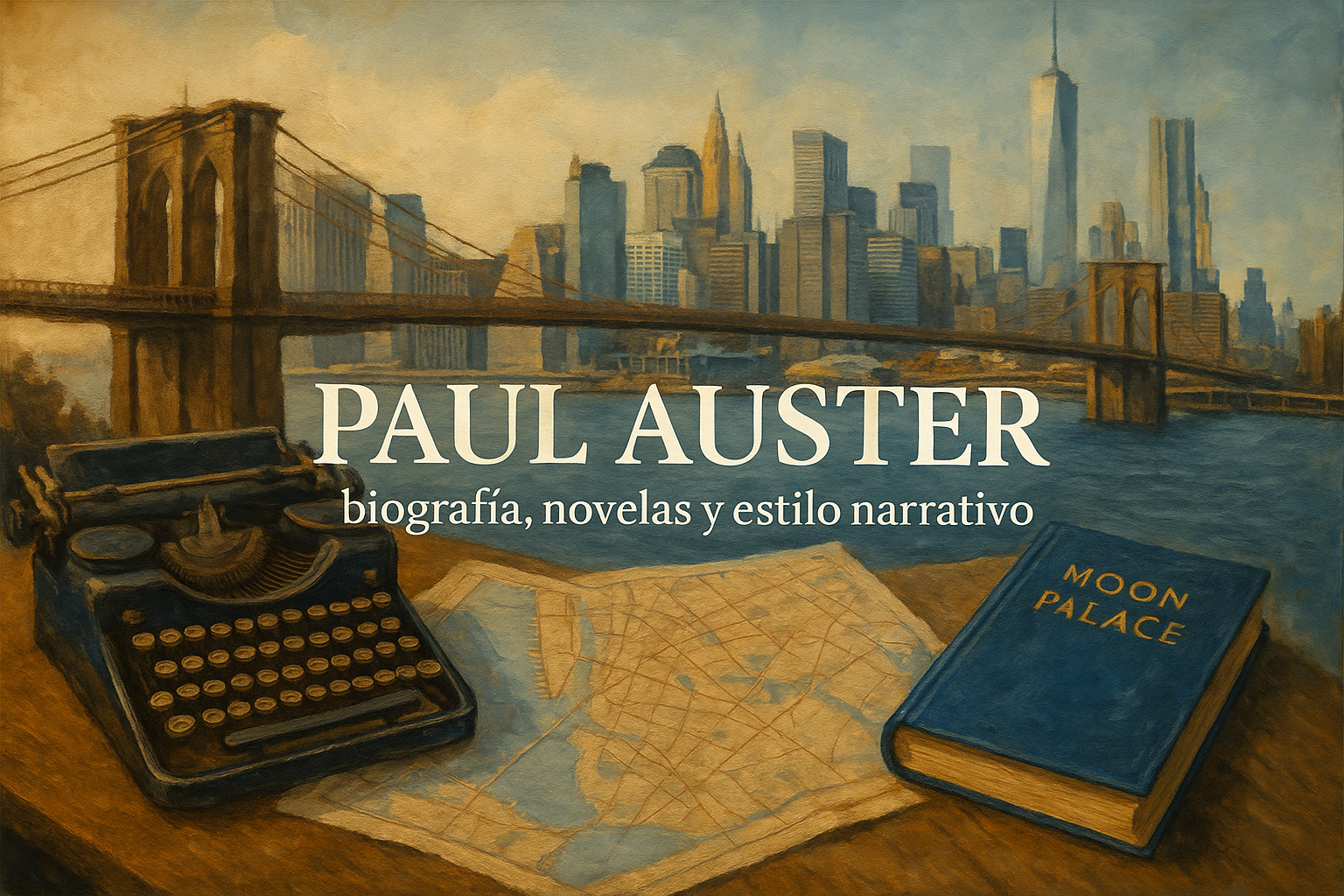
Paul Auster: biography, novels and narrative style of the American writer

4 poems by Jean Jacques Pierre-Paul – contemporary poet
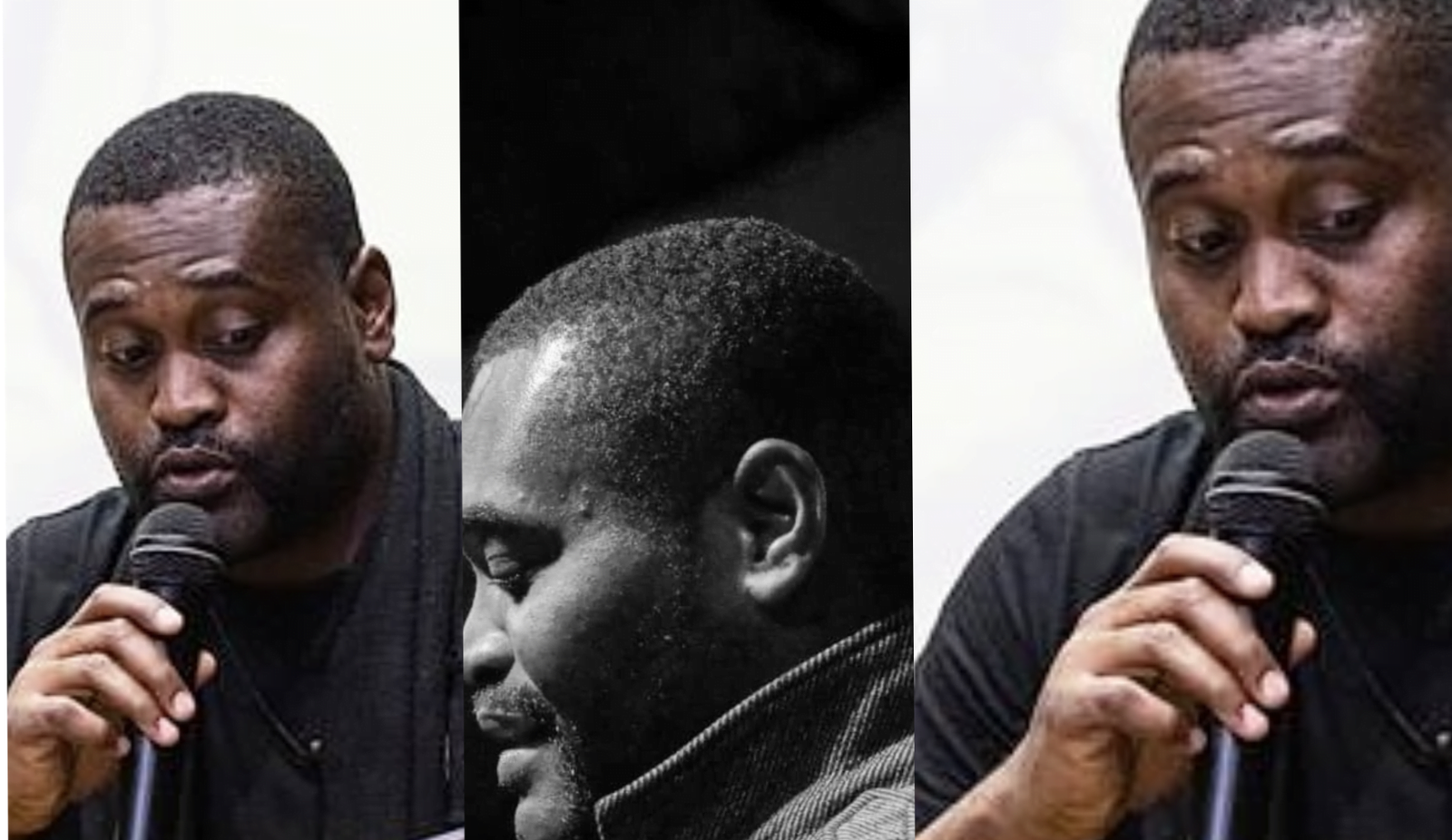
Hybrid monologue: A struggle between silence and the inner voice

Javier Marías: biography, works, style and legacy of the contemporary Spanish writer
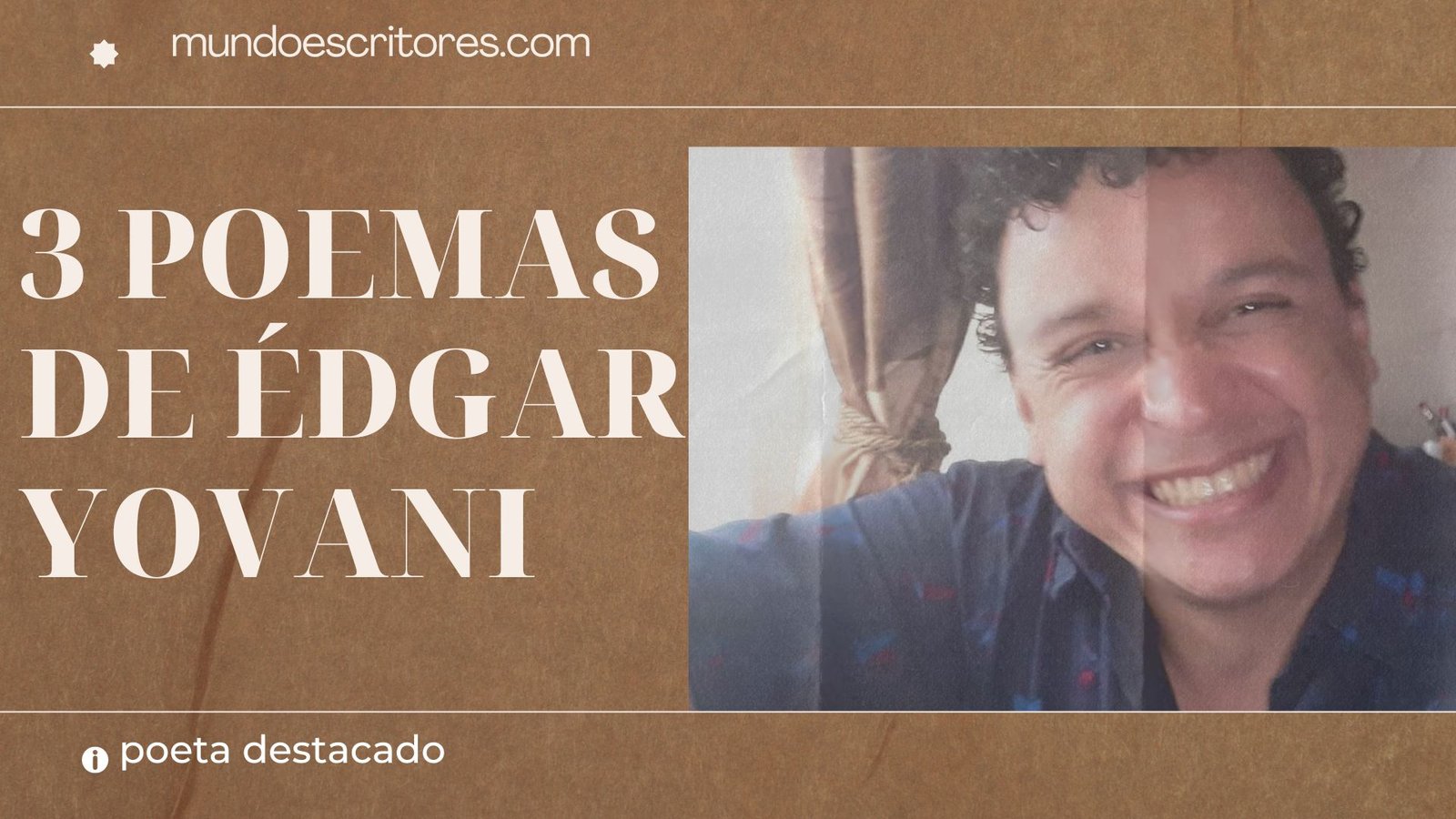
3 Poems by Edgar Yovani Piza Echeverri - First Edition, World Writers

Who is Makanaky?
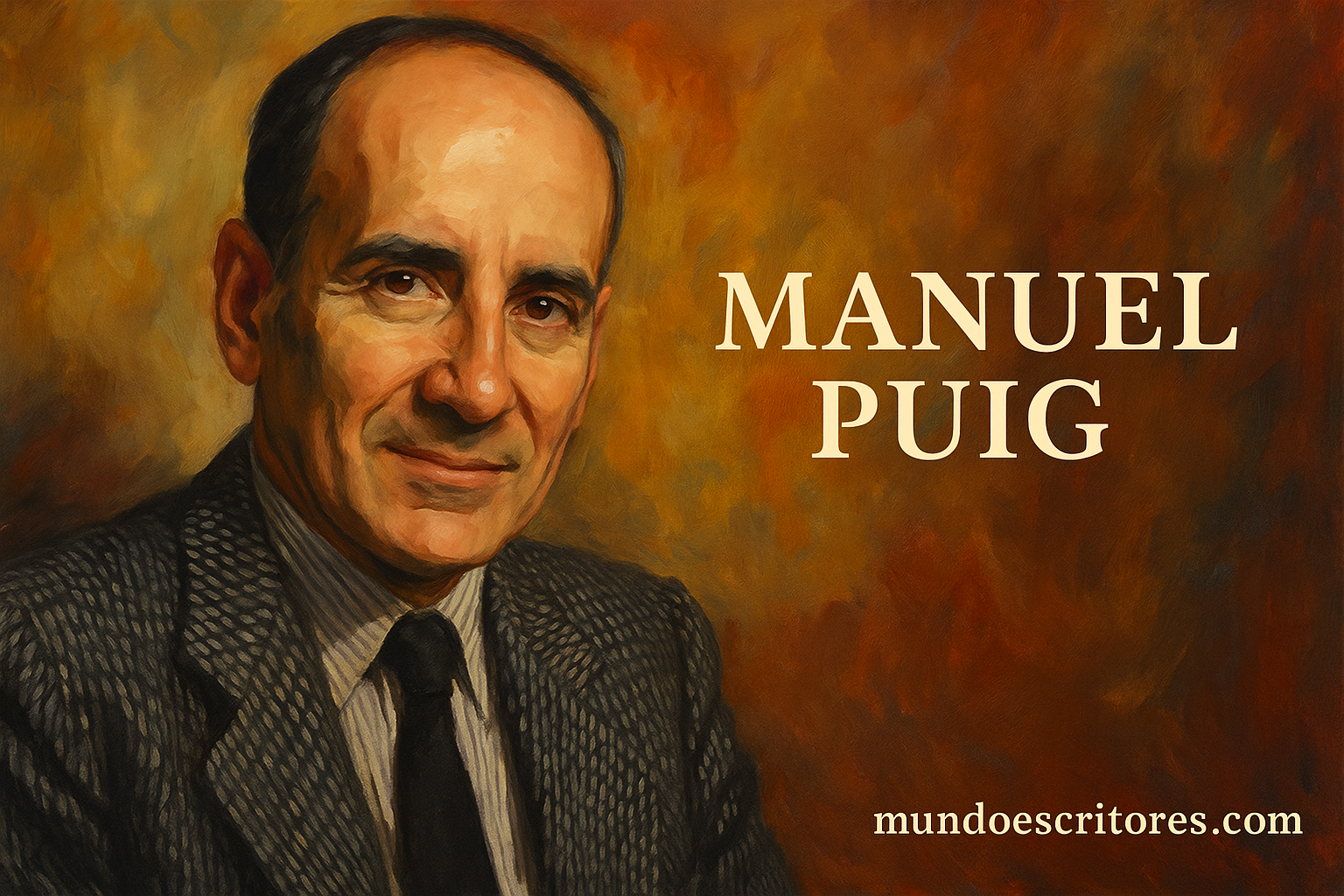
Manuel Puig: biography, works, style and legacy of the Argentine writer
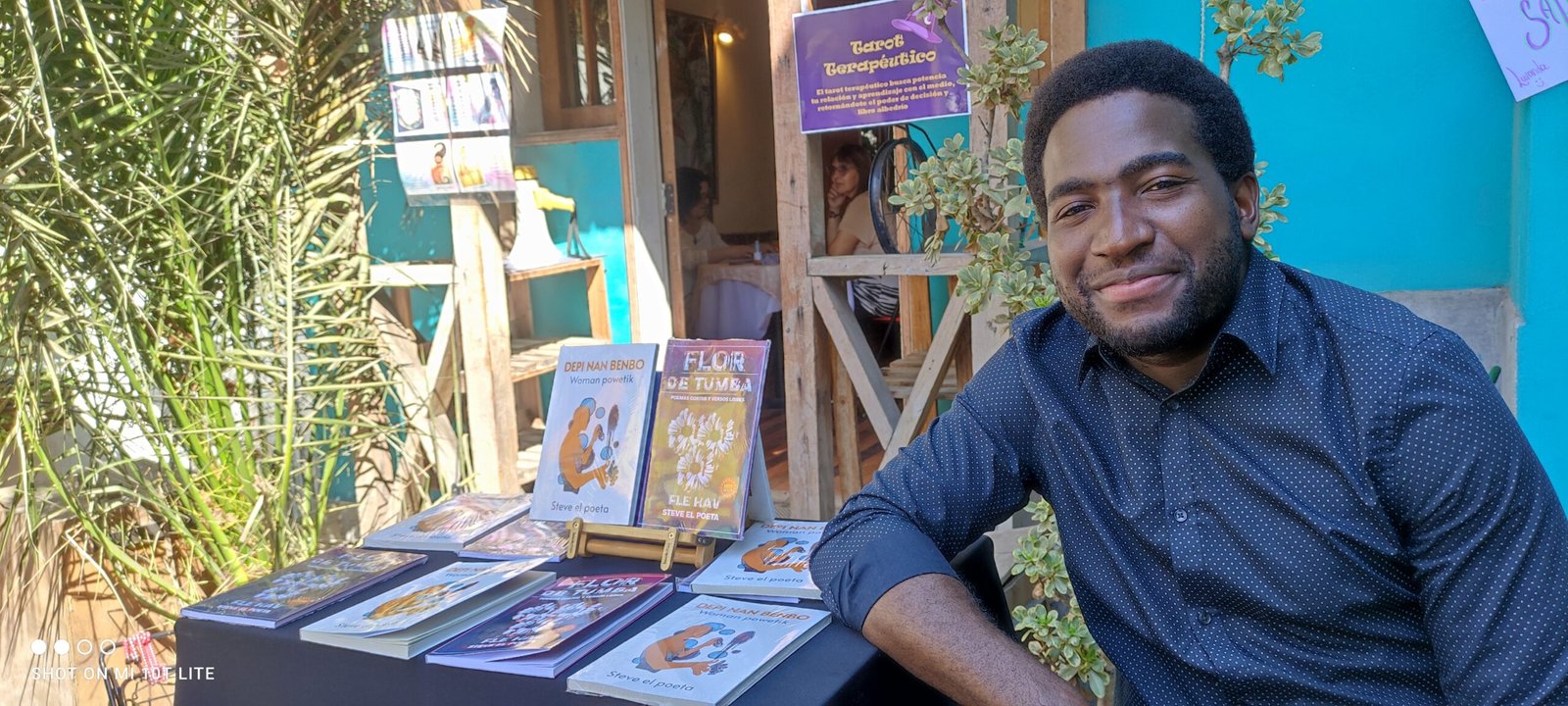
Who is Steve the poet?
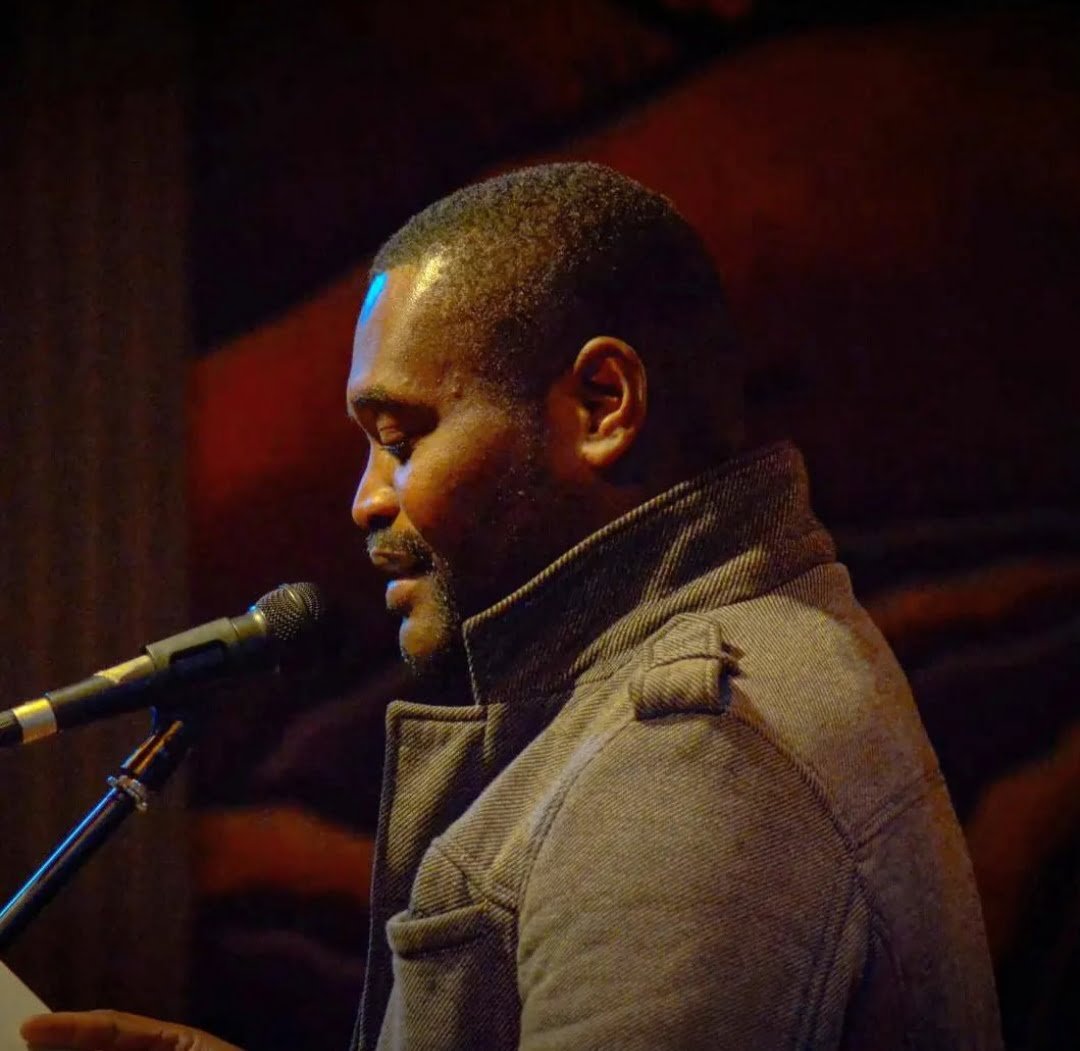
Ricardo Auguste, The Poet Who Hides in the Abominable Sigh
Isabel Allende and the renewed magical realism
From Chile, Isabel Allende has taken the legacy of Latin American magical realism and given it an intimate, familial, and profoundly human tone. Works like The House of the Spirits tell the story of several generations, intertwining the political and the personal, the real and the supernatural.
Anyone wishing to follow the trail of this narrative can read her profile on Isabel Allende.
Paul Auster and American Narrative
In Anglo-Saxon literature, Paul Auster has explored the relationship between chance, identity, and the city. His celebrated New York Trilogy not only plays with the boundaries between author and character, but also transforms the city into an almost metaphysical stage.
A review of his career will be available very soon in Paul Auster.
Mariana Enríquez and contemporary Argentine literature
Argentine author Mariana Enríquez has revitalized the literary landscape with a dark, almost horror-like style in books such as Our Share of Night and Things We Lost in the Fire . Her work reflects the collective fears of Latin America, from political violence to the supernatural.
You can find her full profile at Mariana Enríquez.
Hispanic and European Voices: Javier Marías and Others
Among recent Spanish writers, Javier Marías stood out with his elegant and profound narrative style, as seen in works such as A Heart So White . His reflective style and critical perspective on human relationships solidified his place as one of the most influential voices in contemporary fiction.
A detailed analysis will be available in Javier Marías.
Writers World: a platform for new voices
In 2023, I decided to take a step beyond my individual career and create Mundo Escritores , a digital platform designed to give visibility to emerging authors, connect readers and share works that would hardly find a place in traditional publishing circuits.
Just as there are established names like Allende, Auster, and Enríquez, there are also thousands of new voices waiting to be heard. Mundo Escritores was created to respond to that need and to demonstrate that contemporary literature is also a space for community, dialogue, and discovery.
You can learn more about this project at Mundo Escritores.
Literary works and analyses
The works of poets and writers are their tangible legacy. Through them, we understand not only each author's individual style but also the currents of thought and sensibility that marked their time. Analyzing a work is to enter into a dialogue with history, with symbols, and with the voice of its author.
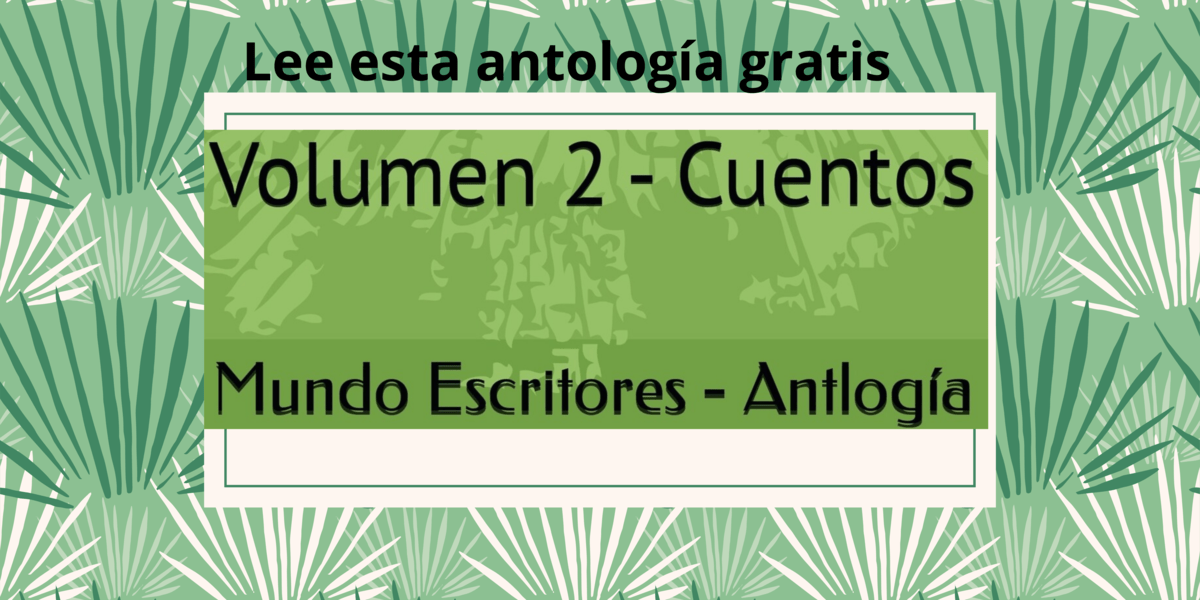
Explore the Magic of Words in the Anthology "World of Writers" Volume 2: A Literary Gem
Works of Gustavo Adolfo Bécquer: Rhymes and Legends
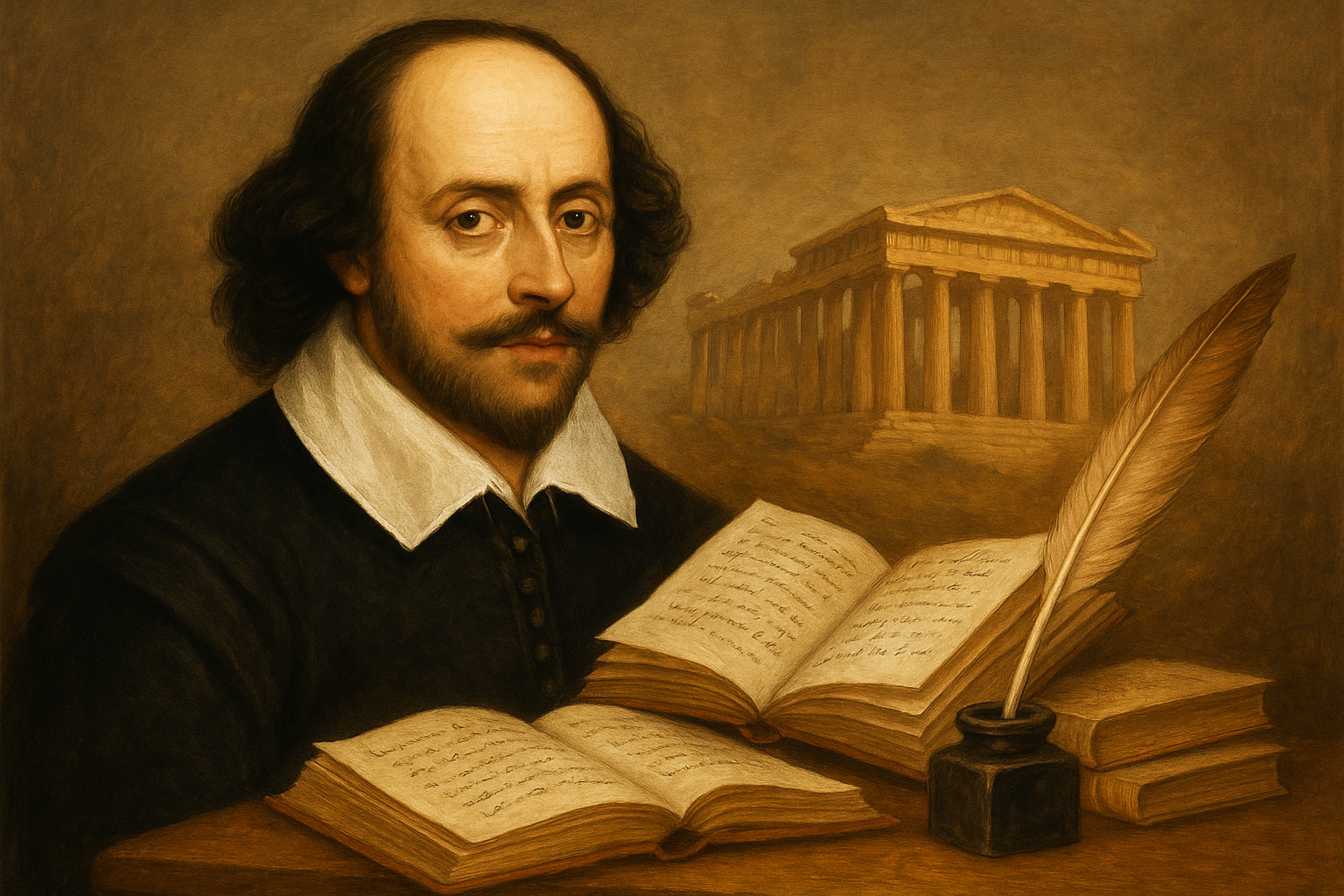
Works of William Shakespeare: tragedies, comedies and sonnets
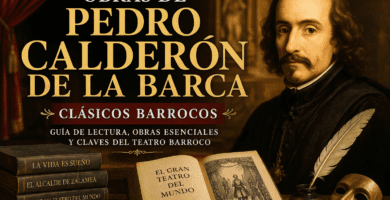
Works by Pedro Calderón de la Barca: The Great Theater of the World and Baroque Classics
Works of Pindar: hymns and odes of the Greek poet
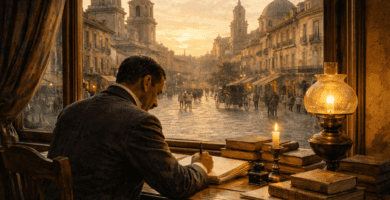
Works by Benito Pérez Galdós: Spanish novels of realism
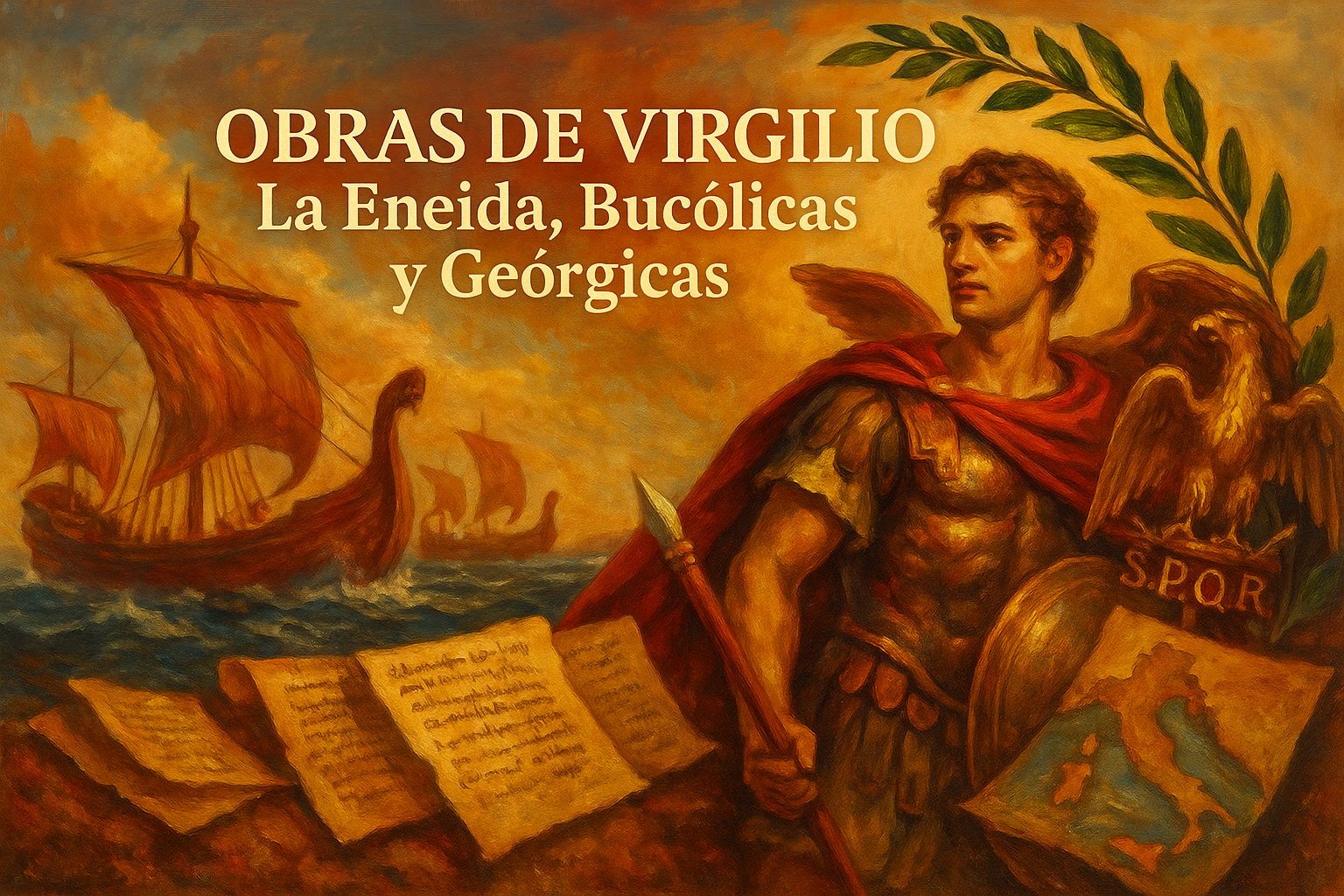
Works of Virgil: The Aeneid and its influence on world literature
Works of Homer: The Iliad and The Odyssey — analysis and literary legacy

Launch of the second anthology edition "World of Writers"
Federico García Lorca: Poetry and Theatre in Dialogue
The work of Federico García Lorca embodies the union between poetry and theater. His poems in Gypsy Ballads and his tragedies such as Blood Wedding or The House of Bernarda Alba reveal a lyrical and dramatic vision of the Andalusian world, marked by passion, conflict, and death.
A complete analysis will be available in Works of Federico García Lorca.
William Shakespeare and the universality of his tragedies
William Shakespeare was not only England's most important playwright, but also one of the most influential writers in world history. Works such as Hamlet , Macbeth , and Romeo and Juliet remain relevant today because of their ability to portray the deepest human dilemmas: ambition, betrayal, love, and death.
Those who wish to delve deeper will find a journey through the Works of William Shakespeare.
Mario Vargas Llosa: between history and politics
In Peru, Mario Vargas Llosa has built a body of work that unites the literary and the political. Novels such as Conversation in the Cathedral , The City and the Dogs , and The War of the End of the World reveal the complexity of Latin American society and its history of conflict.
His annotated bibliography will be available in Works by Mario Vargas Llosa.
My own work: from poetry to bilingualism
My journey as Steve the Poet is also reflected in my books. In 2023, I published Flor de tumba – Flè kav , a bilingual poetry collection accompanied by an audiobook, where Haitian Creole and Spanish coexist. That same year, I released Depi nan benbo , a novel written in Creole that I worked on for six years, exploring memory, identity, and displacement.
These projects underscore my conviction that literature is a bridge between cultures. Just as Neruda and Mistral made their Latin American experience a universal voice, I try to contribute my perspective from the Haitian diaspora.
Anyone wishing to learn more can visit Steve the Poet.
Literary currents and movements
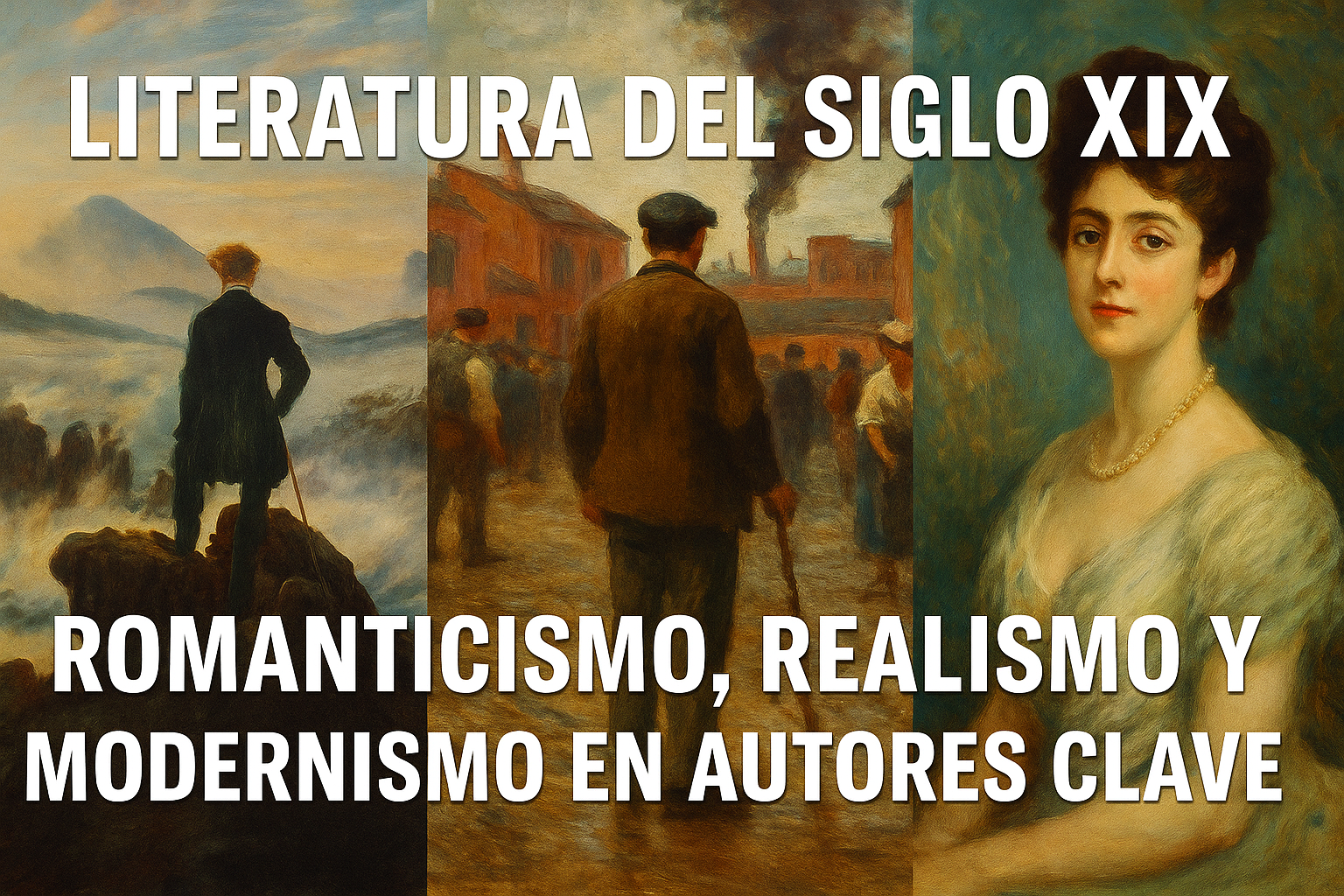
Nineteenth-century literature: realism, romanticism, and modernism in key authors
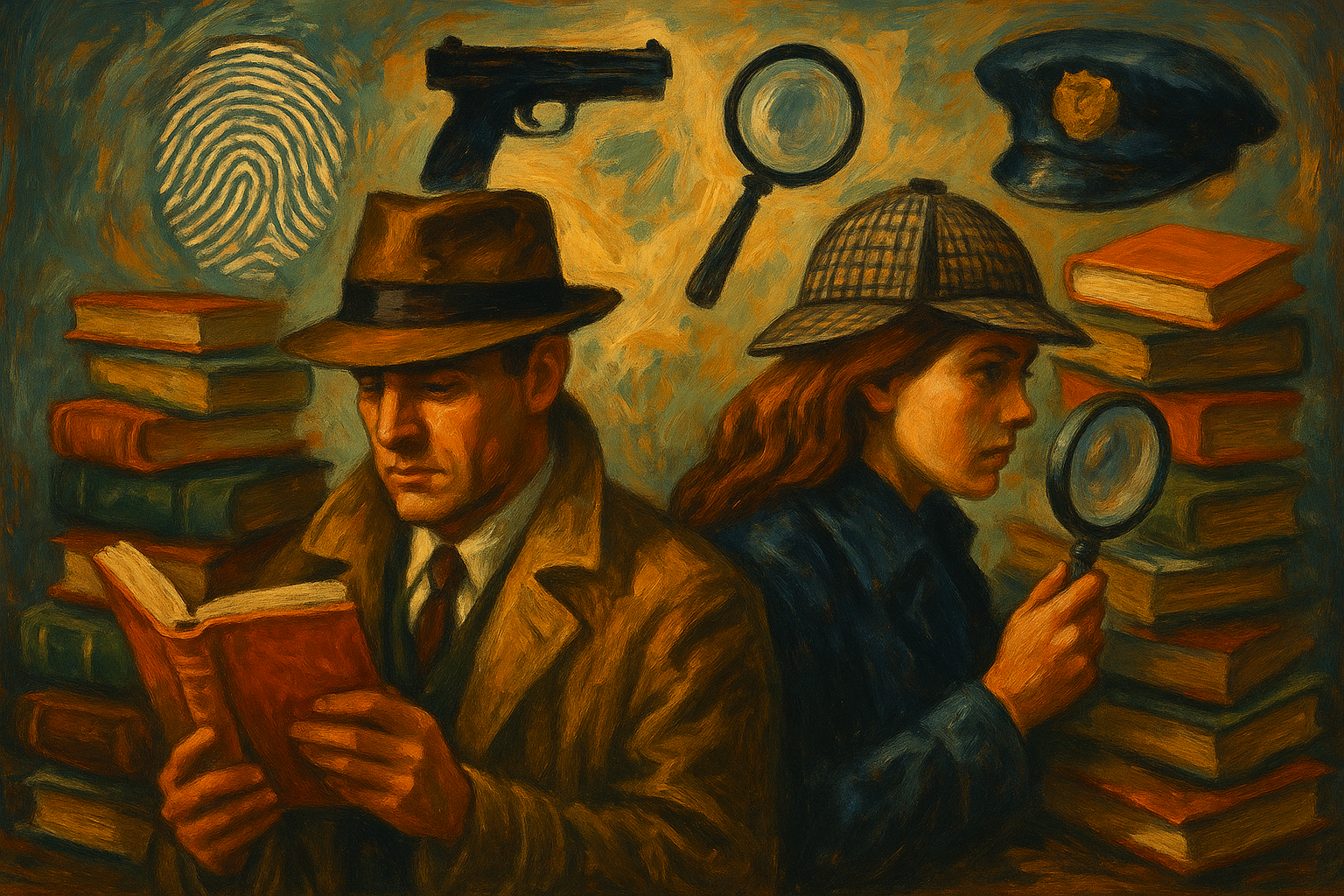
Detective fiction: authors and works that defined the genre
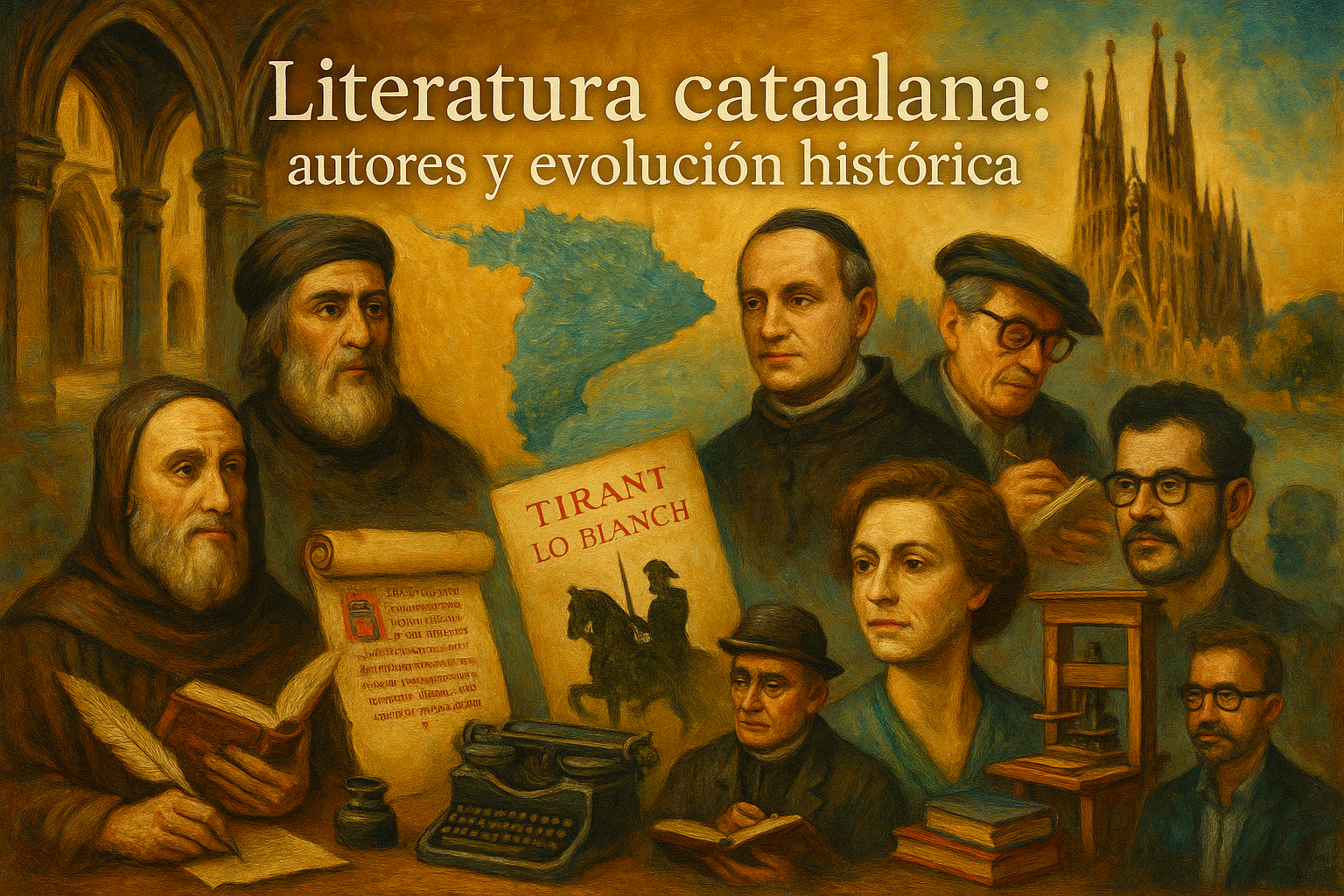
Catalan literature: authors and historical evolution
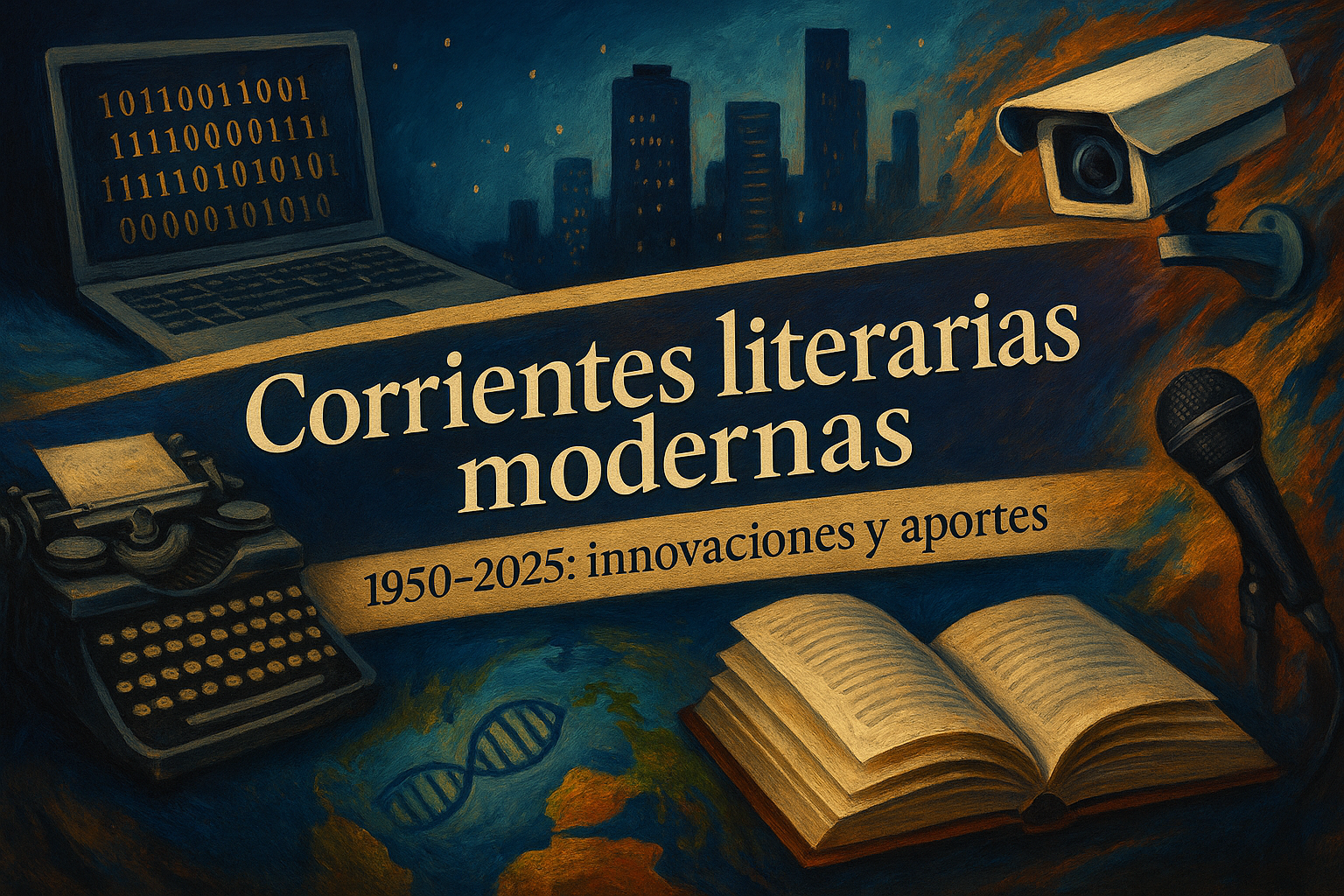
Modern literary trends: innovations and contributions of recent writers
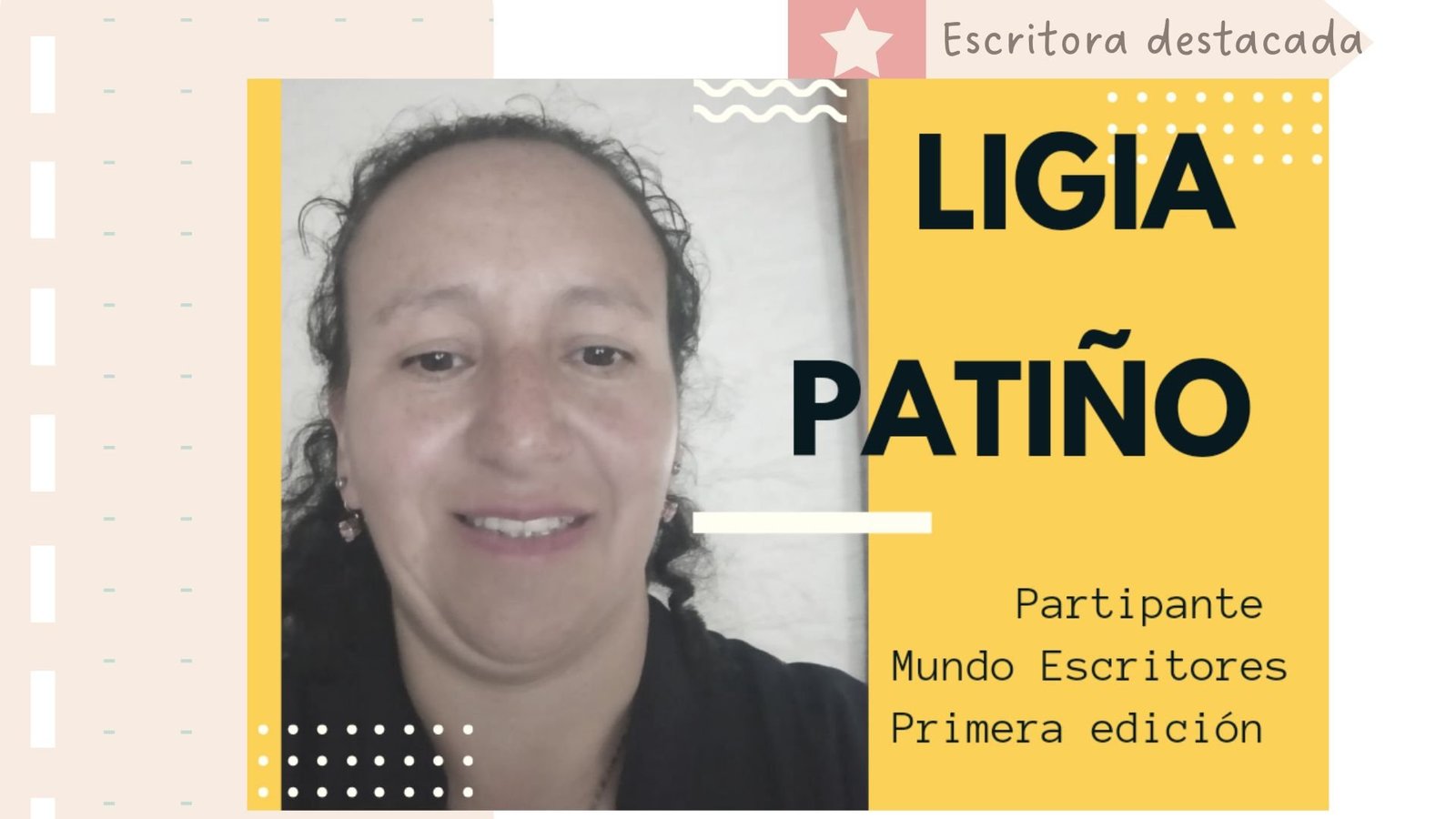
A Story by Ligia Patiño, Featured Writer of the first edition of Mundo Escritores
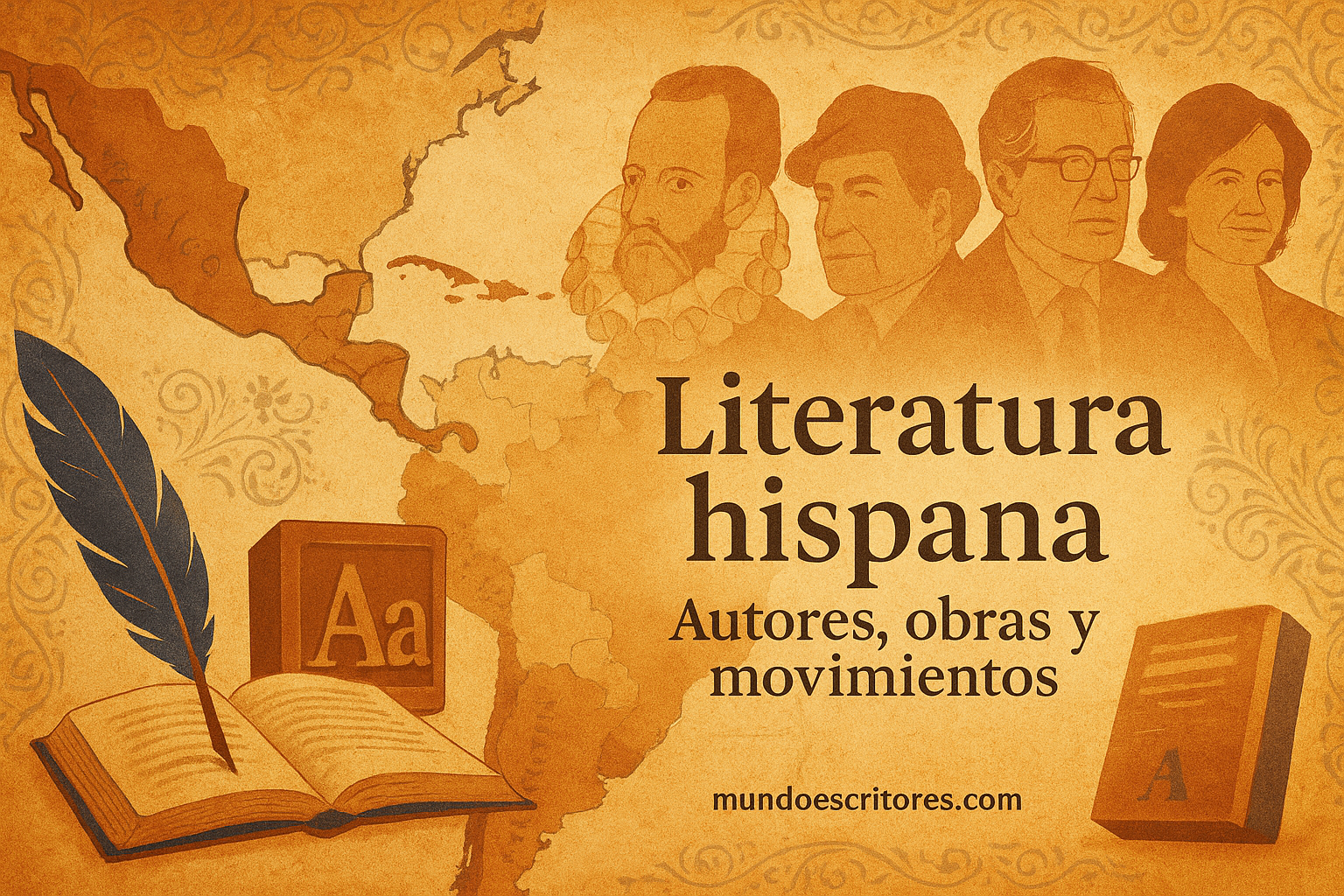
Hispanic Literature: A Journey Through Its Universal Authors
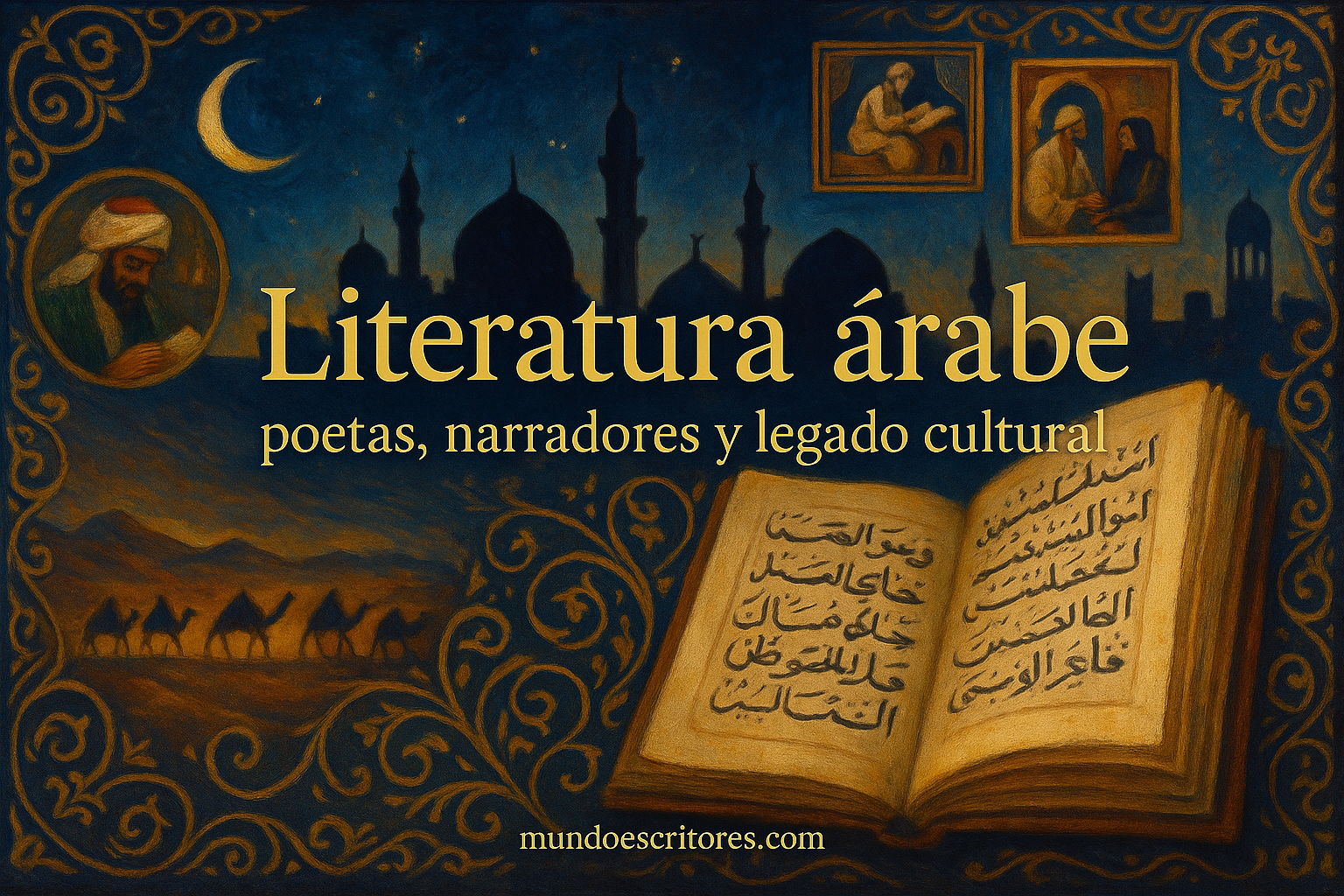
Arabic literature: poets, storytellers and cultural legacy
Contemporary poetry and its characteristics: what it is and how to recognize it

6 Lovely Stories PDF Versions
Literature is understood not only through individual authors, but also through the collective movements that transformed the ways of writing and reading. Each era brought with it a literary movement that influenced generations of poets and writers, leaving us with works that remain alive in our cultural memory today.
Authors of the Spanish Golden Age
The Spanish Golden Age (16th and 17th centuries) was a period of literary splendor that saw the rise of poets such as Garcilaso de la Vega, Luis de Góngora, and Francisco de Quevedo, alongside playwrights like Lope de Vega and novelists like Miguel de Cervantes. This period combined Renaissance ideals with Baroque depth, giving rise to some of the most influential works in world literature.
A complete overview will be available in Authors of the Spanish Golden Age.
19th Century Literature
The 19th century was an era of contrasts. On the one hand, Romanticism exalted individuality and emotion; on the other, Realism and Naturalism focused on everyday life and society. Writers such as Gustavo Adolfo Bécquer, Victor Hugo, and Benito Pérez Galdós marked this period with works that still resonate for their emotional depth and social commentary.
More details will be available in 19th Century Literature
A Story by Ligia Patiño, Featured Writer of the first edition of Mundo Escritores
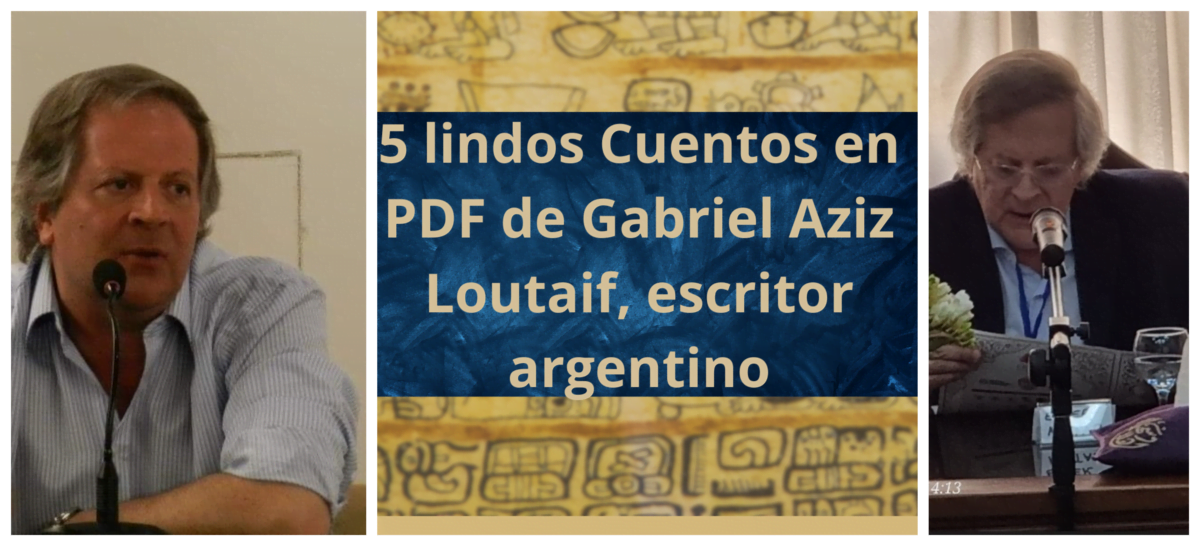
5 lovely short stories by Gabriel Aziz Loutaif, an Argentinian writer – PDF versions
6 Lovely Stories PDF Versions
Literary avant-gardes of the 20th century
The 20th century brought a break with traditional forms. Movements such as Surrealism , Creationism , and Ultraism sought to liberate language and explore new expressive territories. Poets like César Vallejo, Vicente Huidobro, and André Breton renewed poetry and left their mark on modern literature.
A more comprehensive overview will be available in Literary Avant-gardes of the 20th Century.
Contemporary literature and modern trends
Contemporary literature reflects the diversity of voices and styles characteristic of our time. From experimental fiction to autobiographical writing, from graphic novels to digital literature, today's authors explore new ways of telling stories and reaching readers.
You can expand on this perspective in Contemporary Literature and Modern Literary Movements.
Frequently asked questions about poets and writers
Pablo Neruda He was one of the most influential poets of the 20th century, winner of the Nobel Prize for Literature in 1971. His work, which ranges from love to political denunciation, made him a universal voice of Latin America.
You can read their profile at Pablo Neruda.
The poets of Golden age They were characterized by their stylistic richness, the use of complex metaphors, and the exploration of themes such as love, religion, and the fleeting nature of life. Among them, Garcilaso de la Vega, Góngora, and Quevedo stand out.
A summary will be available in Authors of the Spanish Golden Age.
Among the most recommended novels of Mario Vargas Llosa found The city and the Dogs, Conversation in the Cathedral y The War of the End of the WorldAll of them demonstrate her mastery in portraying Peruvian politics and society.
A detailed analysis will be available at Works by Mario Vargas Llosa.
Amongst the Latin American poets Among the most impactful and constantly sought-after writers are Pablo Neruda, Mario Benedetti, Gabriela Mistral, and César Vallejo. Their works combine lyrical passion, social commitment, and a universal language.
You can expand on this view in Latin American poets.
La contemporary literature It encompasses works written from the mid-20th century to the present. It is characterized by a diversity of styles, the exploration of multiple identities, and the coexistence of genres such as graphic novels, autofiction, and digital literature.
A more extensive tour will be available in Contemporary literature.
The future of literature and the mission of poets and writers
The history of humanity has been recorded in the written word. From Homer 's epics , Dante 's mystical visions , Quevedo 's satires , and Neruda 's political passion , to the contemporary voices of Isabel Allende , Mariana Enríquez , and the thousands of emerging writers who write today from every corner of the planet, poets and writers have been guardians of humanity.
Each author reminds us that writing is an act of resistance against oblivion. Works are more than books: they are mirrors of cultures, bridges between generations, and refuges for those seeking meaning amidst chaos.
In my own journey as a poet , I discovered that literature knows no borders. Writing in Creole, Spanish, or any other language is a way of affirming our existence and that our stories deserve to be told. Founding Mundo Escritores was my way of giving back to others the opportunity that words gave me: a space to publish, share, and engage in dialogue with readers around the world.
The future of literature opens up in two directions. On the one hand, the continuity of the great classics that will continue to illuminate paths. On the other, the emergence of new, diverse, and plural voices that bring with them languages, memories, and experiences that were previously silenced.
- Learn more at Brands.
- Discover the legacy in Artworks.
- Delve deeper into contexts and styles in Literary trends.
Because literature is not an art of the past: it is an ongoing dialogue, a bridge between what we have been and what we can still be. And as long as there are poets and writers, humanity will continue to have a voice.
It may interest you

Anthropic and the stolen books: the day authors started charging AI

The British publishing industry begins charging AI with a collective license

Adapted books: when film and TV series make a book go viral

Reading in English: why many readers prefer the original language even though translations exist
The Summer Book Fury 2025 arrives at GAM: four days to discover independent publishers
Book Fair 2026 will open to the public for the first time and reinforces its commitment to translation
Aena Prize: the million euros that changed the literary conversation in Spain

HarperCollins UK stops publishing new titles by David Walliams following allegations of inappropriate conduct